Malaysia manufacturing PMI slips to 49.9 in September
Weaker orders and production weighed on operating conditions, while hiring accelerated and price pressures eased, according to S&P Global.
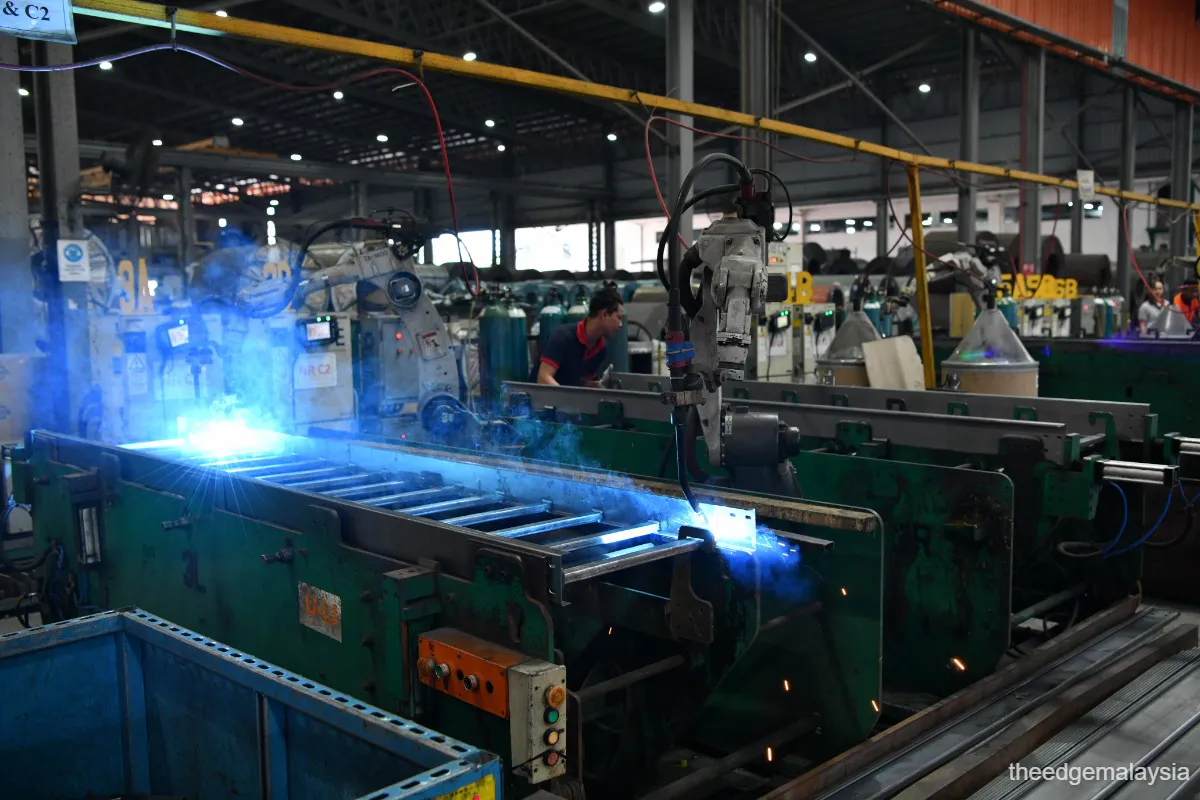
Malaysia’s manufacturing conditions were broadly stable as the third quarter closed, according to S&P Global, despite its seasonally adjusted manufacturing Purchasing Managers' Index (PMI) declining to 49.9 in September from 50.2 in August. The reading slipped below the neutral 50 threshold after three months of improvement.
New orders weakened for the first time in four months, recording their steepest moderation since June 2025. Survey respondents linked the decline to subdued demand. Export orders increased slightly, but that was insufficient to prevent overall new business from easing.
Manufacturers reduced production for a second month, with the modest decline nevertheless the quickest in seven months. Purchasing also fell for a second month as respondents reported adequate inventories, limited goods availability and weak incoming work.
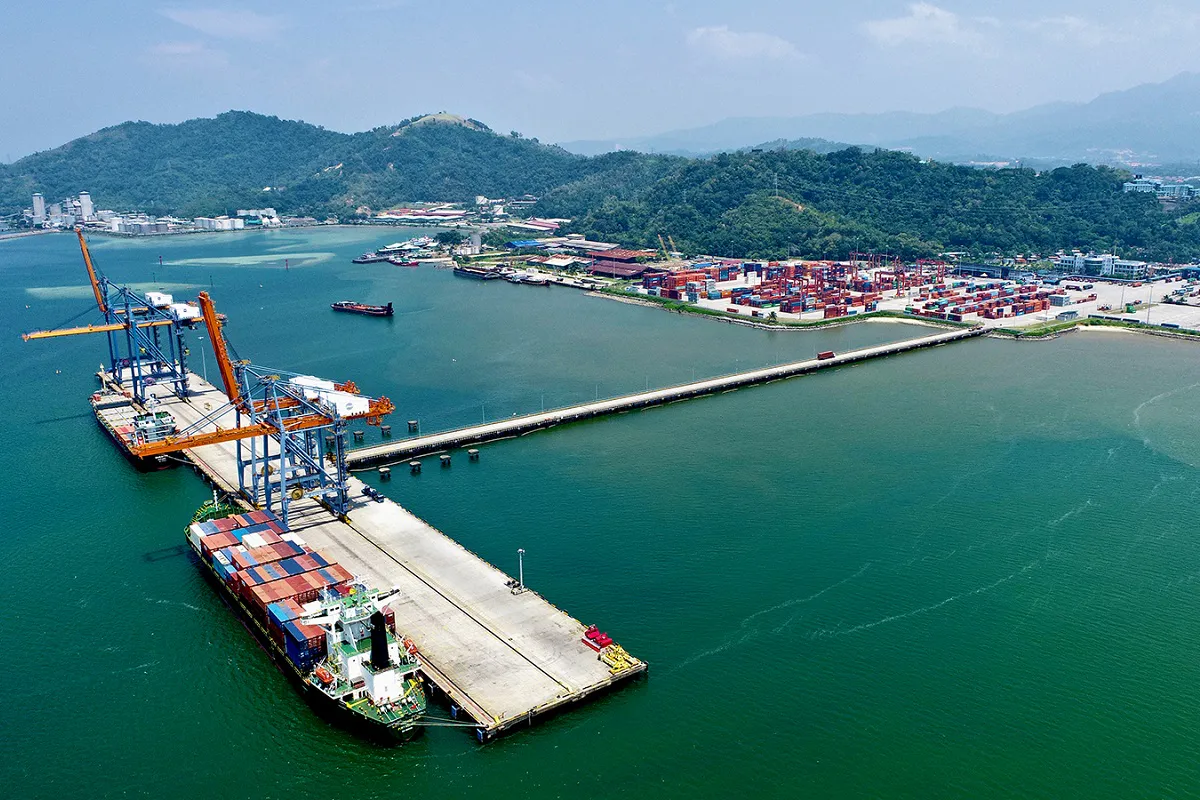
S&P Global said deliveries took longer because of congested ports, shipping-container shortages, adverse weather across the region and higher fuel prices. Stocks of pre-production items rose marginally, with some firms building safety inventories because of the ongoing Middle East war. The increase was the strongest since June 2022.
Employment increased for a second month, and hiring reached its fastest pace since April as companies added full-time and contract staff. However, confidence about the coming year edged lower, leaving the outlook index at a five-month low.
Input costs kept rising as raw materials and supplier prices increased, but inflation slowed for a fifth month to its lowest rate since February. Manufacturers’ selling prices also rose at their slowest rate in seven months.