World Bank backs incorporating GST features into Malaysia’s SST
Input tax credits could ease tax cascading, while a broader tax base would support revenue, according to the bank’s lead economist for Malaysia.
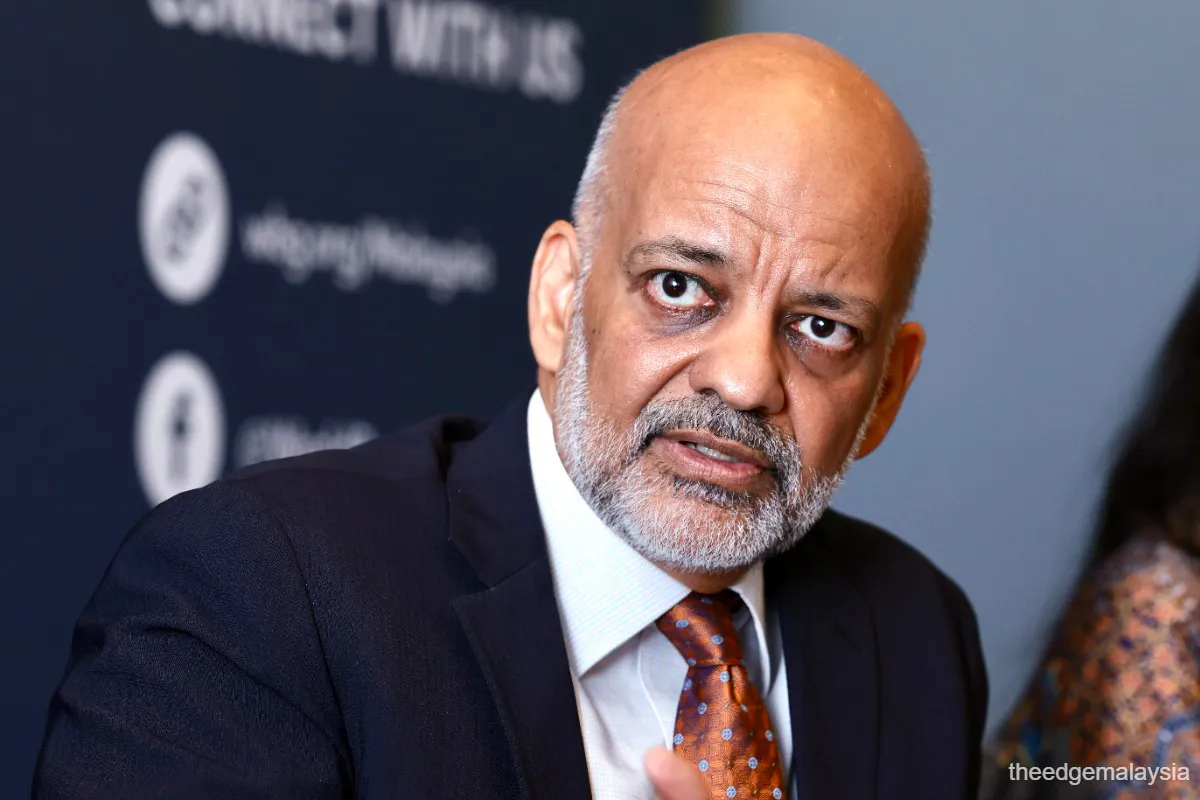
The World Bank supports incorporating selected features of the goods and services tax (GST) into Malaysia’s sales and services tax (SST) to address distortions. Its lead economist for Malaysia, Apurva Sanghi, identified input tax credits as one way to reduce cascading and embedded taxes on businesses.
Speaking at a briefing on the October 2026 Malaysia Economic Monitor report, Sanghi called for neutral tax reform that would also widen the tax base to strengthen revenue. The SST operates at a single stage without input credits, allowing tax to remain embedded in prices along the supply chain.
Sanghi nevertheless said the World Bank continues to favour GST, provided cash transfers offset its regressive effects on vulnerable groups. He cautioned that combining GST features with SST could fail to deliver either efficiency or empathy. Resolving refund delays experienced under the previous GST system would strengthen the case for considering GST, he added.
The discussion follows Prime Minister Datuk Seri Anwar Ibrahim’s announcement, after a Budget 2027 engagement session in August, that the government was examining improvements to SST. That study includes the possibility of incorporating GST features.
World Bank economist Deisigan Shammugam also pointed to technological improvements over the decade since the earlier GST regime.