KLCI advances on bank gains following Budget 2027
Analysts see selective opportunities in domestically focused sectors, but Maybank Investment Bank considers a broad market rally less likely.
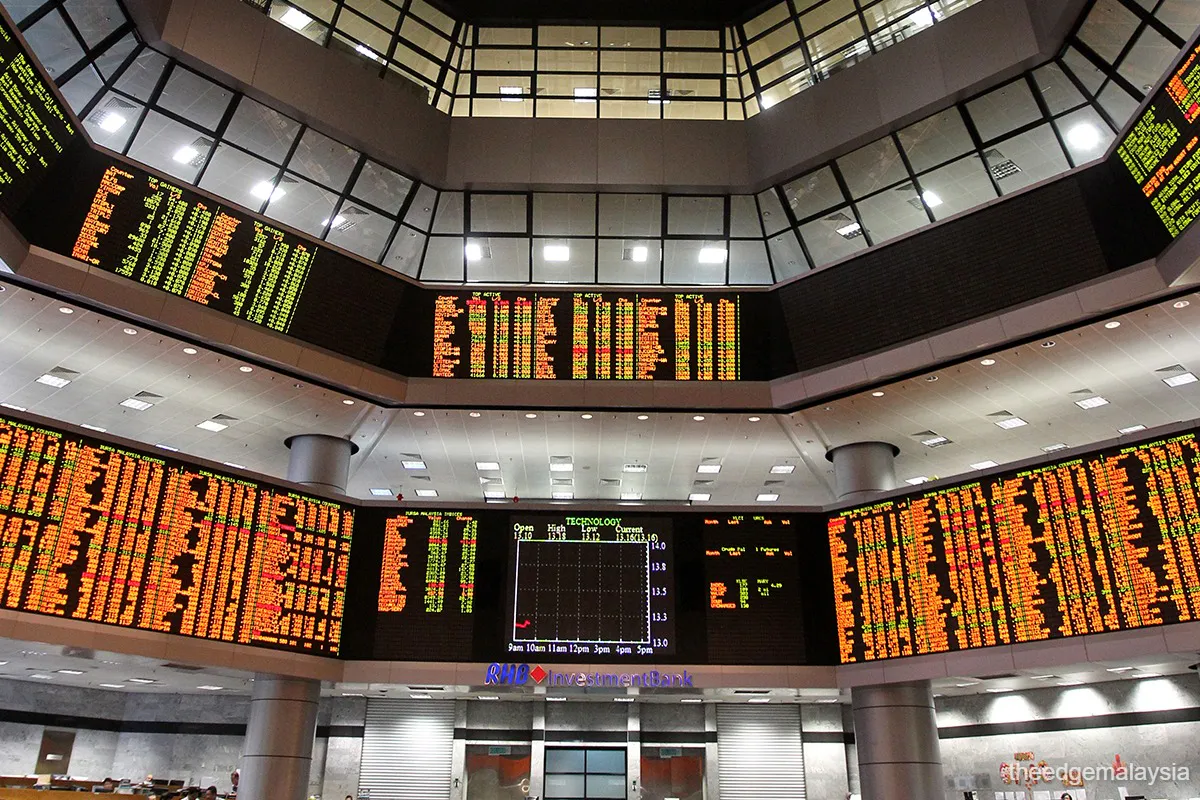
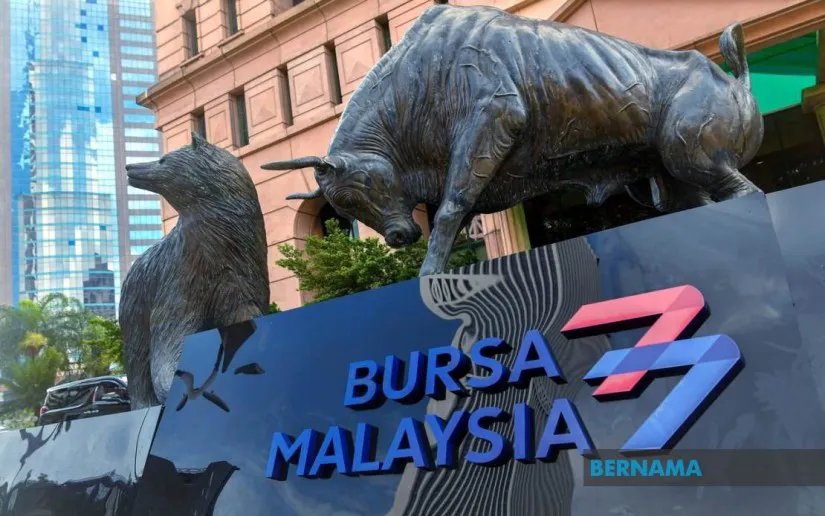
Banking shares helped the FBM KLCI finish the midday session on Oct 12 at 1,616.32, up 7.87 points or 0.49% following Budget 2027. The benchmark drew support from Malayan Banking Bhd, CIMB Group Holdings Bhd and Public Bank Bhd.
Maybank Investment Bank (Maybank IB) said the budget was more likely to favour smaller-cap companies. It pointed to opportunities in technology and renewable energy, as well as water infrastructure and mechanical and electrical engineering. With large-cap sectors receiving limited direct support, the bank considered a wider rally less likely.
Selling pressure weighed on some consumer counters, including Mr DIY Group (M) Bhd and 99 Speed Mart Retail Holdings Bhd. Hong Leong Investment Bank (HLIB) Research nevertheless said mass-market consumer companies could gain from increased cash assistance, wider tax reliefs and the minimum wage increase, particularly businesses involved in the Sumbangan Asas Rahmah (Sara) programme.
HLIB said extending and expanding stamp duty relief could help developers catering to first-time homebuyers. BIMB Securities, meanwhile, favoured domestically focused businesses and highlighted development expenditure of RM83 billion alongside RM15 billion for power grid investments, saying these commitments could sustain demand for infrastructure services.
The benefits of stronger consumption could be partly offset by labour expenses, analysts warned. For plantation and rubber glove producers and other labour-intensive businesses, BIMB Securities estimated that the wage increase could add 2% to 5% to total production costs.
HLIB retained a year-end target of 1,720 points for the FBM KLCI. It expected little immediate influence on the benchmark from a budget centred on household welfare rather than direct measures for listed companies.