

Company announcement
JBE vs. Metal Panels: Structural Benefits from a High Strength Twinwall PVC Roof Panels Manufacturer
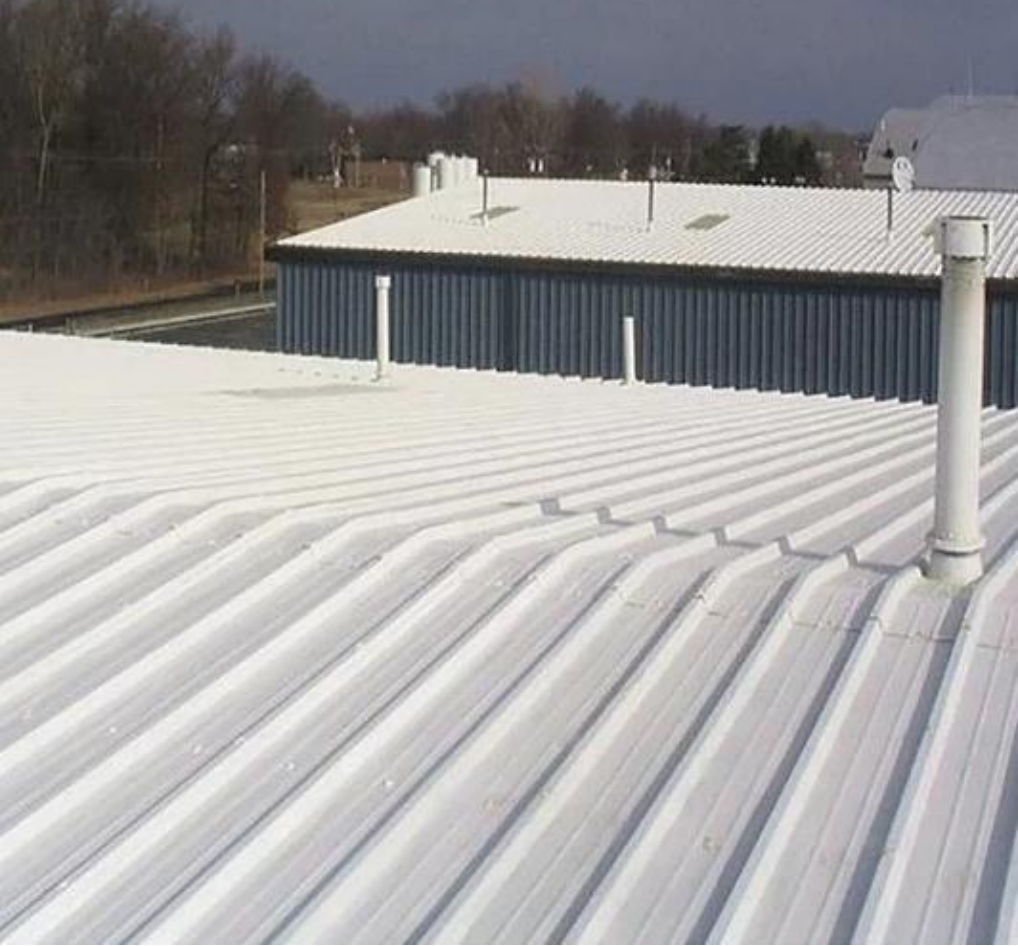
Deyang, Sichuan Aug 10, 2026 (Issuewire.com) - The rapid expansion of modern industrial complexes places intense physical demands on engineering materials, especially when upgrading or retrofitting large-scale facilities. In a typical light steel structure warehouse, engineers must constantly balance structural dead load against long-term maintenance costs and environmental vulnerability. Traditional metal sandwich panels and corrugated steel sheets have long been standard choices for industrial roofing, but severe rust, heavy dead weight, and high thermal stress regularly complicate building maintenance over time. As facilities face early degradation from chemical exposure or coastal humidity, structural engineers are looking toward specialized polymer solutions. Within this evolving field, Sichuan Jinbei'er Building Materials Co., Ltd. operates as a specialized Twinwall PVC Roof Panels Manufacturer, producing advanced multi-wall hollow sheets designed specifically to address the physical limitations of traditional industrial metals. By examining roofing from an engineering perspective, a comparison between traditional metal panels and modern twinwall hollow sheets reveals significant variations in load distribution, stress management, and long-term sealing performance.
Structural Load Distribution and Purlin Engineering
The total weight of a roofing system directly dictates the size, thickness, and cost of the underlying steel framework and concrete foundations. Standard metal sandwich panels have a high density, which requires closely spaced purlins to prevent sagging under localized snow or wind loads. This dense support framework drives up total structural steel usage and initial fabrication costs.
In contrast, the hollow profile designed by JBE significantly reduces overall structural weight. The company's specialized twinwall hollow sheets feature a calculated 40mm wave height paired with an 830mm effective width, providing a rigid truss-like internal structure while remaining lightweight. This engineering reduces the dead weight to roughly one-third that of a standard industrial metal panel system.
By lowering the dead load on the roof, engineers can safely increase purlin spacing to intervals of 600mm to 800mm, depending on localized wind and snow load parameters. Reducing the total number of required structural purlins saves raw steel, simplifies installation, and lightens the entire building envelope. This lightweight profile makes the system highly effective for both large-span logistical warehouses and the structural renovation of aging industrial plants, where existing foundations cannot support heavy modern metal panels.
Thermal Stress Mitigation and Material Deformation
Industrial roofs endure continuous thermal cycling, exposing materials to intense heat during peak daylight hours followed by rapid cooling at night. Metal panels have a high coefficient of thermal expansion, which is approximately three times higher than that of specialized polyvinyl chloride formulations. When large steel roofs absorb solar radiation, the metal expands significantly across long spans, causing the panels to buckle, twist, or exert shear force on structural fasteners. Over time, this repeated expansion and contraction widens fastener holes and warps the roof sheets, leading to joint separation and subsequent water leaks.
To manage these thermal forces, Sichuan Jinbei'er Building Materials Co., Ltd. incorporates an internal hollow air chamber into its multi-wall panels. This twinwall geometry provides a built-in physical cushion that absorbs internal material expansion without transferring severe mechanical strain to the main structure. When paired with oversized pre-drilled fastening holes, the system allows the panels to slide smoothly during temperature shifts. This configuration distributes localized expansion forces evenly across the entire roof, keeping the physical movement of the system predictable and stable. This structural stability prevents the shifting, cracking, and fastener tearing common to traditional metal roofs.
Waterproof Engineering and Joint Sealing Integrity
Water penetration is a common cause of premature roof failure in industrial environments, often starting around exposed fasteners. Traditional corrugated metal roofs rely on thousands of self-tapping screws that pierce directly through the metal sheets. Over time, wind uplift forces pull against these screw holes, while the rubber washers degrade under UV exposure, turning every single penetration point into a potential source of water leaks.
To eliminate these vulnerability points, the panels made by this Twinwall PVC Roof Panels Manufacturer use a continuous lateral interlocking and overlapping assembly method. By utilizing dedicated ridge tiles, specialized end closures, and matching profile caps, the system seals external joints securely without requiring direct vertical penetrations across the main water-shedding surface. This interlocking layout uses natural capillary barriers to stop wind-driven rain from creeping between panels, ensuring long-term sealing without relying heavily on field-applied caulking or vulnerable rubber washers.
Operational Boundaries and Quality Verification
While engineered polymer panels offer clear advantages in corrosive or high-humidity zones, every material has specific physical limitations. Twinwall PVC Roof Panels are not intended for environments with sustained operational temperatures exceeding 70°C or for heavy industrial areas that require frequent, unprotected roof traffic. In extreme high-temperature processing zones, metallic panels remain a standard choice.
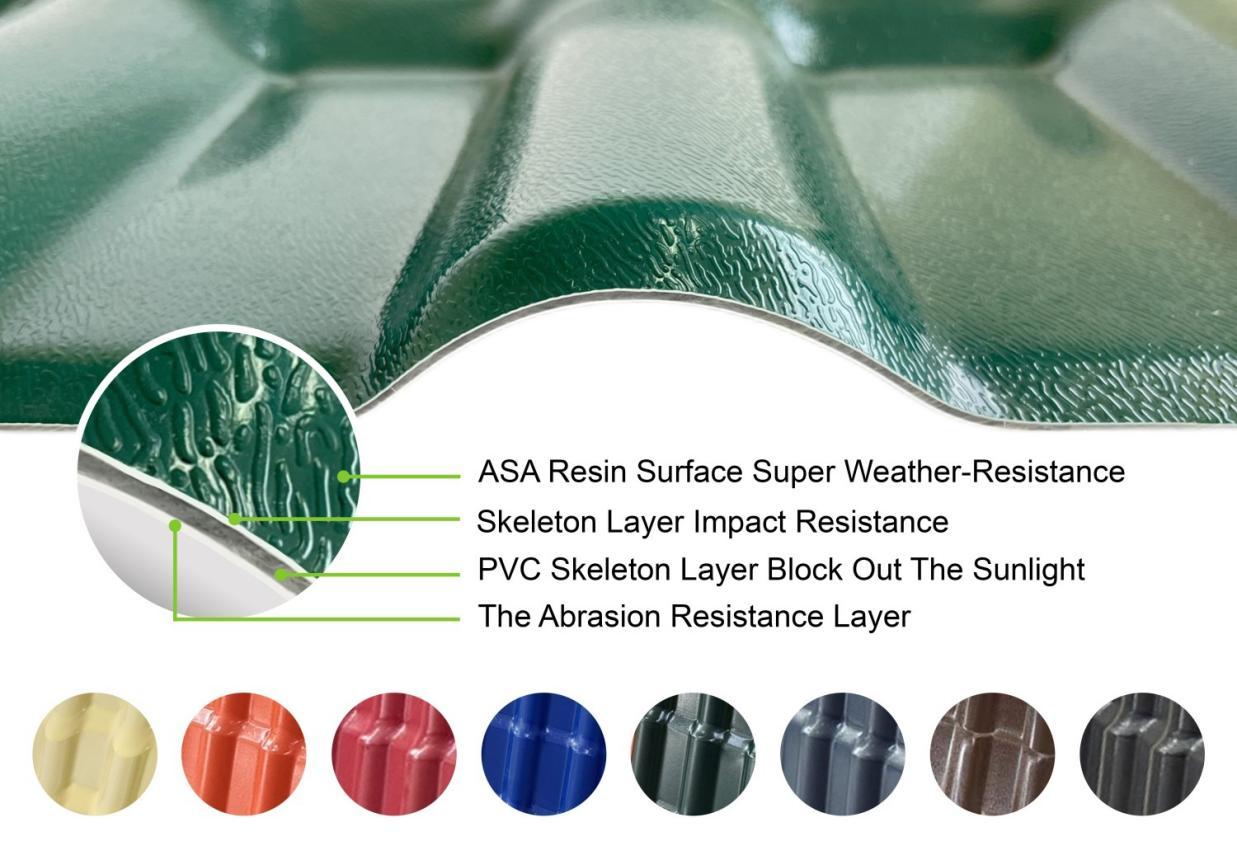
To ensure performance within recommended operational limits, Sichuan Jinbei'er Building Materials Co., Ltd. maintains strict control over its raw materials and production processes. The company uses 100% virgin PVC resin combined with a co-extruded protective outer layer to prevent UV degradation and brittleness. This material formulation has undergone independent verification by SGS, demonstrating impact resistance and structural stability without cracking at temperatures as low as -40°C. Manufacturing under certified ISO management systems ensures consistent wall thickness and uniform structural strength across every run. Additionally, the panels can be manufactured in both opaque and translucent profiles, allowing factory designers to mix matching sheets to incorporate natural lighting zones directly into the roof layout without needing complex transition flashing.
Establishing a New Consensus for Industrial Roofing
As industrial facility design shifts toward long-term durability, low maintenance, and energy efficiency, alternative roofing materials are increasingly replacing traditional options. For modern manufacturing plants, chemical processing facilities, and agricultural buildings, heavy metal panels are no longer the automatic choice. The specialized engineering behind the High Strength Twinwall PVC Panel provides a light, rust-proof, and thermally stable alternative that simplifies supporting steel frameworks and lowers building maintenance costs. By providing reliable structural data, material transparency, and project-specific layout assistance, JBE continues to help engineering firms transition from traditional metal sheets to modern polymer roofing systems.
For more detailed specifications and product catalogs, please visit the official website at https://www.jberoof.com/.
Media Contact
Sichuan Jinbei'er Building Materials Co., Ltd.
Source :Sichuan Jinbei'er Building Materials Co., Ltd.
This article was originally published by IssueWire. Read the original article here.
This announcement was published as provided by our partners. The BursaKL Newsdesk is not involved.