Malaysia sets Smart Highway target covering at least 50% of expressways
A proposed traffic management centre and barrier-free tolling form part of the initiative, which still requires government consideration and final approval.
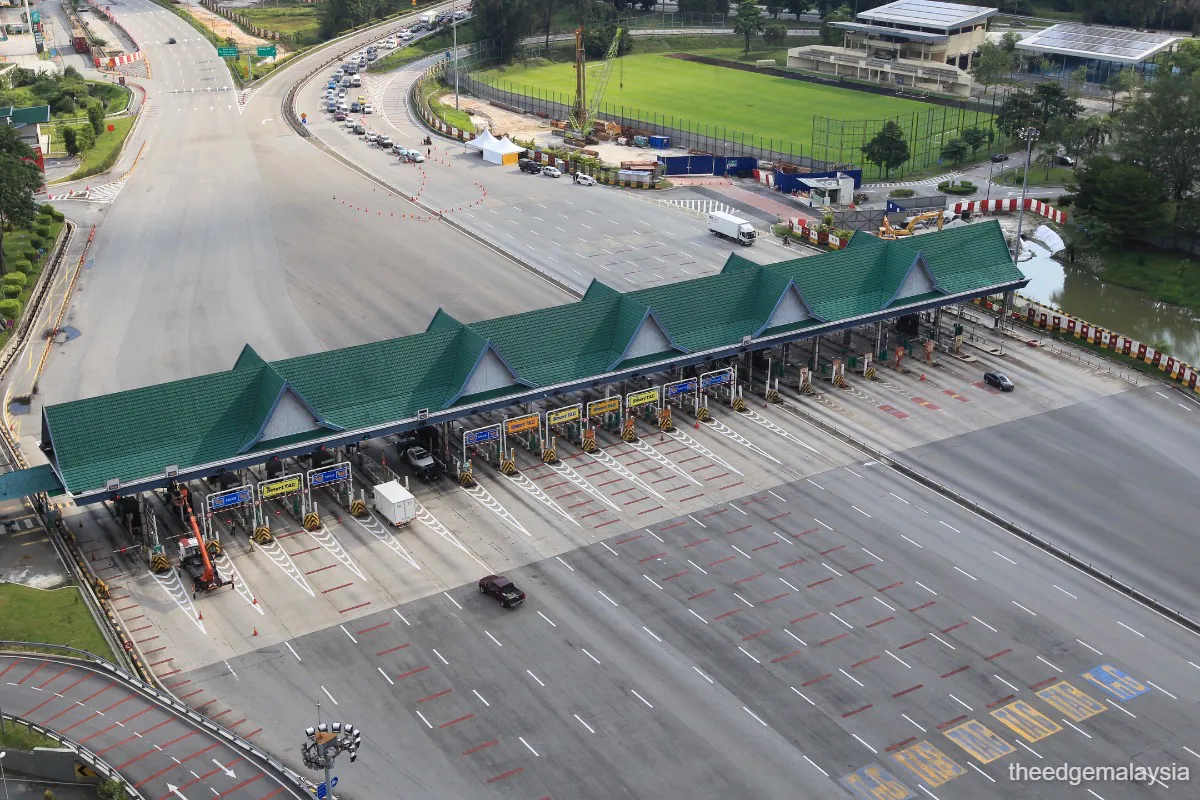
Smart Highway technology is planned for at least 50% of Malaysia’s 34 expressways, according to Works Minister Datuk Seri Alexander Nanta Linggi. He said the objective was safer roads, smoother traffic and a more efficient transport system.
In a statement issued by the Ministry of Works (KKR), Nanta said the technology would include artificial intelligence (AI) and smart closed-circuit television (CCTV). Systems to identify high-risk incidents such as accidents and issue early warnings are also envisaged, alongside digital mobility applications, solar-powered lighting and electric vehicle (EV) charging infrastructure.
He said a national intelligent traffic management centre (NITMC) was another priority, supporting coordinated traffic management through integrated data analysis and real-time monitoring. The initiative also includes multi-lane free flow (MLFF) tolling, designed to let vehicles clear toll plazas without stopping at barriers.
For implementation, the government is giving concessionaires and industry partners scope to refine a business-to-business (B2B) model regulated by the Malaysian Highway Authority (MHA). Nanta said considerations included commercial and technological viability, compatibility between systems, payment integration, consumer protection and data security.
The ministry said work was focused on completing preparations covering technical, operational and legal matters. The proposal would then go before the government for consideration and final approval.
Nanta outlined the plans at a roundtable during the 2026 Intelligent Transport Systems (ITS) World Congress. The event in Gangneung, South Korea, runs from Oct 19 to 23.
Separately, he met the Republic of Korea’s Second Vice-Minister of Land, Infrastructure and Transport Jeong Eui-kyung. Discussions covered road and highway cooperation, new technologies and management methods, as well as progress under an existing memorandum of understanding between the MHA and the Korea Expressway Corporation (KEC).