Malaysia discusses US chip curbs as it tightens controls
Advanced AI chip purchases by data centre operators in four Southeast Asian countries will require US government licences under an interim rule.

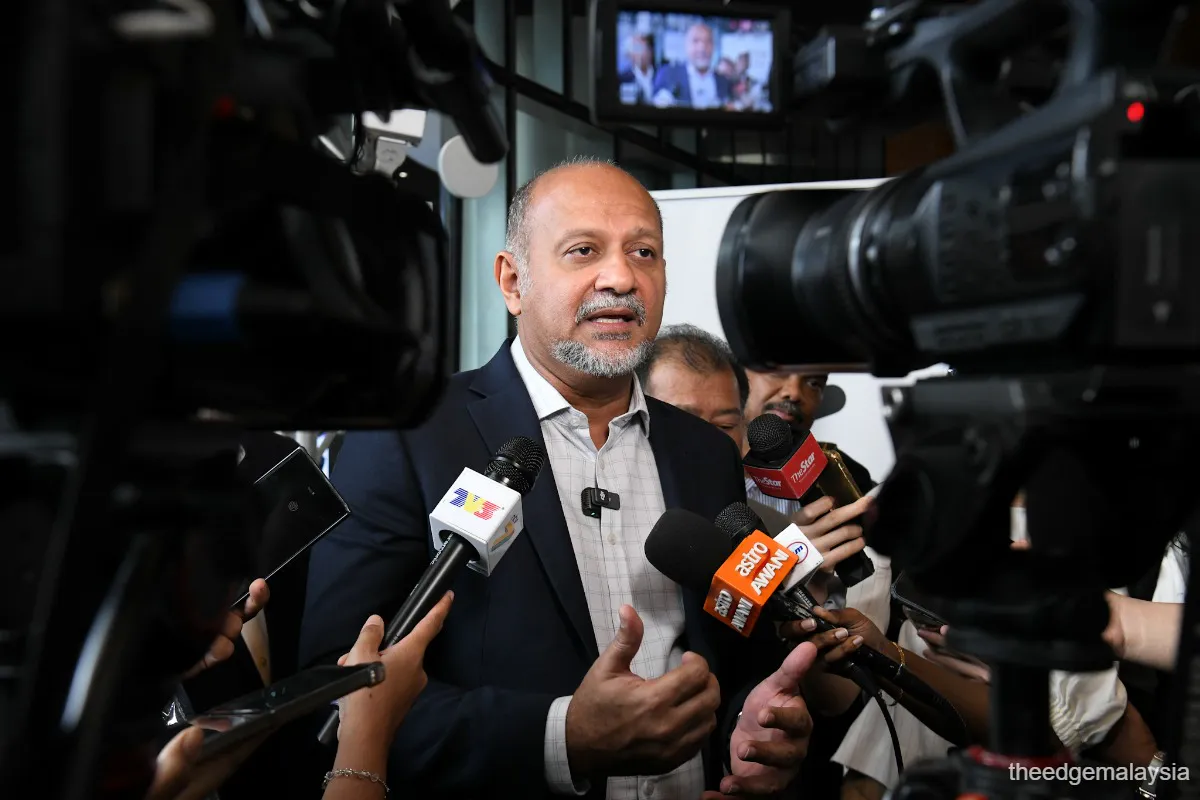
Malaysia is tightening controls over advanced chip shipments while engaging Washington on US technology restrictions, Second Finance Minister Datuk Seri Amir Hamzah Azizan said. The Ministry of Investment, Trade and Industry expects the discussions to produce common ground.
Speaking to Bloomberg TV’s Haslinda Amin, Amir Hamzah said Malaysia would observe the applicable rules. He said the country had not authorised the shipments under scrutiny and was acting to stop similar incidents.
The US has barred several regional entities from accessing the technology amid concerns about Nvidia Corp chips reaching China through Southeast Asia. Washington identified three as Malaysian, although Kuala Lumpur said only two were Malaysian. Malaysia has pledged to instruct data centre operators to deny the blacklisted firms hosting, leased space and services.
Under an interim Commerce Department rule, operators in Malaysia, Singapore, Thailand and Indonesia will require US government licences when buying advanced AI chips made by Nvidia or other American manufacturers. The restrictions aim to limit access by China and other US adversaries to overseas computing resources using US-designed processors.
Amir Hamzah said hyperscalers operating in Malaysia were mostly Western-dominated and primarily served their own computing requirements. He added that data centres supported cloud services as well as AI.
CIMB Bank Bhd said Malaysia faced the greatest potential losses in Southeast Asia from the curbs. Its worst-case scenario envisaged a six-month interruption to data centre operations and delays to 25% of capacity under construction, potentially reducing 2027 gross domestic product growth by 0.19 percentage point.