

Company announcement
Building a More Versatile Fitness Routine with Yoga Mats, Resistance Bands and Kettlebells
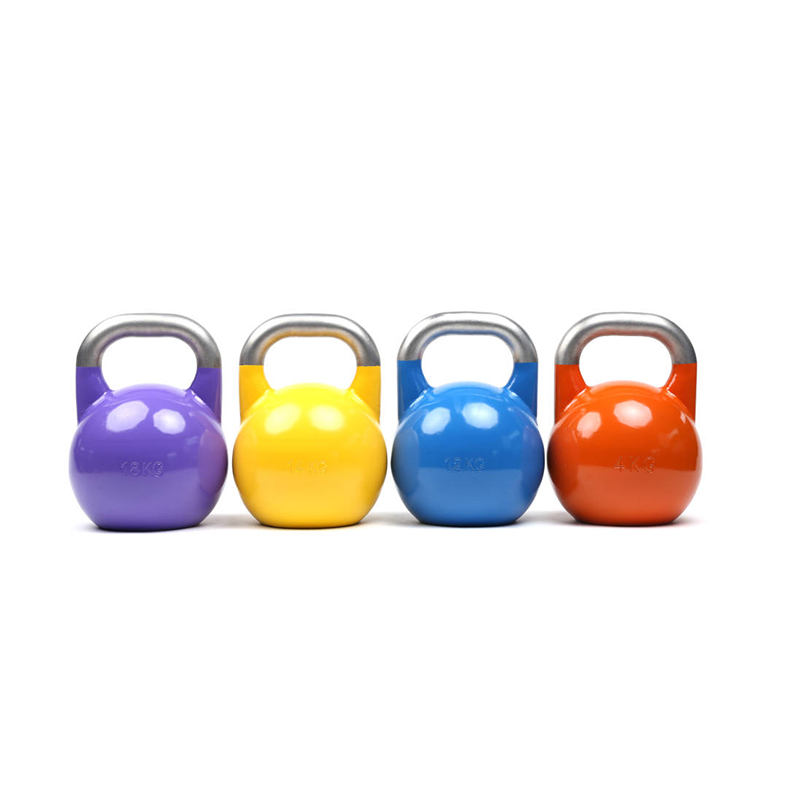
Nantong, Jiangsu Sep 23, 2026 (Issuewire.com) - Fitness routines are becoming increasingly varied, combining mobility work, resistance exercises, strength training, balance practice, and recovery within the same workout environment. Rather than relying on a large collection of specialized equipment, many exercisers can build a practical training setup around a few versatile products. Yoga mats, resistance bands, hip loop bands, and steel competition kettlebells each serve different purposes while working well together in a balanced exercise program.
Selecting suitable equipment, however, involves more than choosing a product based on appearance. Surface grip, cushioning, resistance level, durability, movement type, and training environment can all influence how effectively a piece of fitness equipment performs. Understanding these factors can help users make more appropriate choices for home workouts, fitness studios, functional training areas, and general exercise programs.
Choosing a Yoga Mat Based on Training Style
A yoga mat creates the foundation for many floor-based activities, including yoga, Pilates, stretching, mobility drills, bodyweight exercises, and recovery sessions. Because these activities involve different levels of movement and joint contact, the material and construction of a mat can significantly affect the training experience.
Common yoga mat materials include PVC, TPE, cork, NBR, and combinations such as polyurethane with rubber. Each material offers a different balance of grip, cushioning, weight, texture, and maintenance requirements.
For dynamic yoga flows or exercises where the hands and feet need reliable contact with the floor, surface grip becomes especially important. A textured surface can help reduce unwanted movement during transitions, lunges, planks, and standing poses. Softer materials with greater cushioning may be more suitable for Pilates, stretching, meditation, or routines involving frequent knee and elbow contact.
PVC mats remain a practical option for many general fitness applications because they can provide a consistent surface and are relatively easy to maintain. When sourcing this type of equipment, a PVC Printed Yoga Mat Supplier may also offer different surface designs, colors, textures, and configurations for various training environments.
Regardless of material, users should consider how the mat will actually be used. A highly cushioned surface may feel comfortable during floor exercises but can provide less stability during balance-focused movements. Conversely, a thinner and firmer surface may improve ground feedback while offering less padding. Matching the mat to the activity is therefore more useful than assuming that one construction works equally well for every exercise.
Resistance Bands Add Flexible Training Options
Resistance bands provide a different type of training stimulus. Unlike free weights, which rely primarily on gravity, elastic bands increase resistance as they stretch. This characteristic makes them useful for strength exercises, movement preparation, mobility work, assisted exercises, and controlled rehabilitation-oriented routines.
Long loop resistance bands can support both upper- and lower-body exercises. They may be incorporated into assisted pull-ups, squats, lunges, rows, presses, stretching movements, and lateral drills. They can also be combined with other strength equipment when additional variable resistance is appropriate.
Because bands can be produced with different resistance levels, users can select a lighter option for mobility and activation work or a stronger band for more demanding strength exercises. This adaptability makes resistance bands particularly practical when several exercises need to be performed within a limited training space.
Material quality should also be considered when evaluating a Fitness Resistance Band Supplier. Natural latex bands are commonly selected for their elasticity and responsive resistance. The band should stretch smoothly, maintain consistent tension, and remain comfortable to handle during repeated movements.
Before training, users should inspect resistance bands for cracks, cuts, excessive surface wear, or other signs of deterioration. Bands should also be used within a controlled range of motion rather than stretched beyond their intended working range.
Hip Resistance Bands Support Lower-Body Activation
Hip loop bands are shorter than many traditional resistance bands and are commonly used around the thighs or lower legs. Their compact design makes them particularly useful for glute, hip, and thigh exercises.
Exercises such as lateral walks, squats, glute bridges, standing abductions, and lunges can all incorporate loop bands. By creating outward resistance, the band encourages the user to maintain controlled hip and knee positioning while activating the surrounding muscles.
This makes hip bands useful not only during the main workout but also during warm-up routines. A short sequence of controlled band exercises can help prepare the lower body before squats, kettlebell movements, running drills, or other activities involving repeated hip extension and stabilization.
Non-slip construction is another practical consideration. A band that moves excessively during exercise can interrupt technique and require frequent repositioning. Choosing an appropriate resistance level is equally important. More resistance does not automatically produce a better exercise; the user should still be able to maintain controlled movement and proper alignment.
Steel Competition Kettlebells for Functional Strength Training
While mats and resistance bands support mobility and variable-resistance exercises, kettlebells introduce external load into the training program.
Competition-style kettlebells are typically designed around a consistent external shape so that technique remains relatively familiar when users move between different loads. A smooth handle supports exercises that require the kettlebell to rotate or move through the hands, while a stable base is helpful for floor-based positioning and storage.
A Steel Competition Kettlebell Manufacturer generally focuses on characteristics such as steel construction, handle finish, balance, base stability, and consistent form. These features influence both handling and exercise execution.
Kettlebells can be used for movements ranging from basic strength exercises to more dynamic functional training. Deadlifts, goblet squats, carries, presses, rows, swings, and other compound exercises can challenge several muscle groups within the same session.
Technique remains especially important during dynamic kettlebell exercises. Beginners should first become comfortable with controlled movements such as deadlifts, carries, and squats before progressing toward exercises that involve faster acceleration or overhead positioning.
Combining Equipment into a Balanced Workout
One advantage of these products is that they can complement each other rather than serve as isolated pieces of equipment.
A session might begin with mobility exercises performed on a yoga mat, followed by hip band movements to activate the lower body. Long resistance bands can then be used for pulling, pressing, or assisted exercises before kettlebells are introduced for compound strength work. The workout can finish with stretching or mobility exercises back on the mat.
This sequence creates a natural transition from preparation to activation, strength training, and recovery without requiring complicated equipment changes.
For example, a lower-body session could combine banded lateral walks, kettlebell goblet squats, resistance-band hip exercises, kettlebell deadlifts, and floor-based stretching. An upper-body routine might include resistance-band shoulder preparation, kettlebell presses or rows, band-assisted pulling movements, and mobility work on the mat.
The specific exercise selection should always reflect the user's experience, training goals, available space, and physical condition.
Practical Equipment Selection Matters
Effective fitness equipment does not need to be complicated. What matters is whether each item supports the intended movement safely and consistently.
For yoga mats, users should evaluate grip, cushioning, surface feel, and cleaning requirements. For resistance bands, elasticity, resistance level, durability, and comfort deserve attention. Hip bands should remain stable during movement, while kettlebells should offer secure handling, balanced construction, and a stable base.
Together, these products can support mobility, strength, flexibility, functional training, warm-ups, and recovery in a relatively compact exercise setup. By selecting equipment according to actual training needs rather than relying on a single feature, users can create routines that are easier to adapt as exercises, abilities, and workout environments change.
Source :Nantong Sports Goods Industry Belt
This article was originally published by IssueWire. Read the original article here.
This announcement was published as provided by our partners. The BursaKL Newsdesk is not involved.