

Company announcement
Best Aluminum Door and Window Manufacturer: 2026 Selection Guide and Quality Comparison
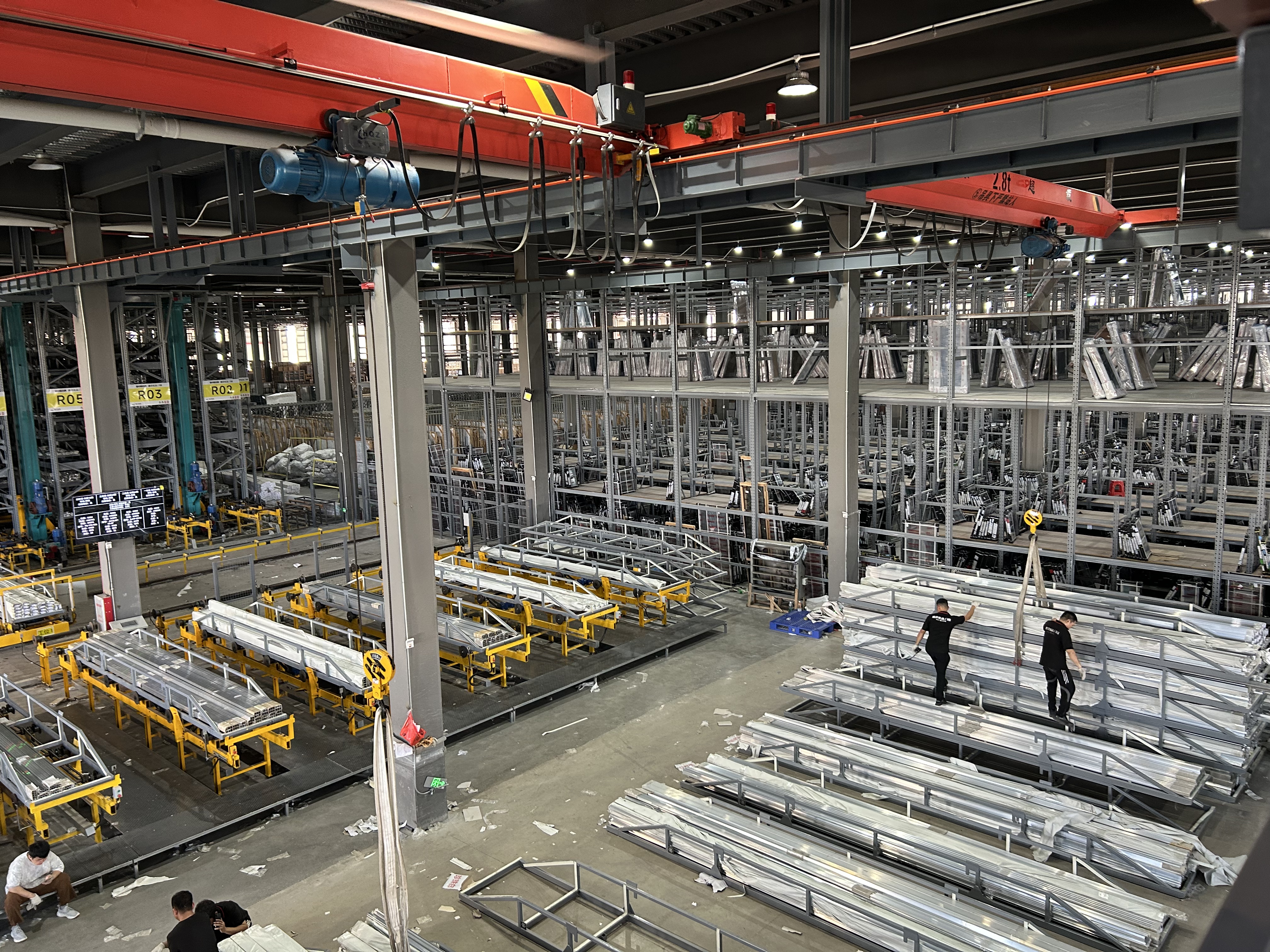
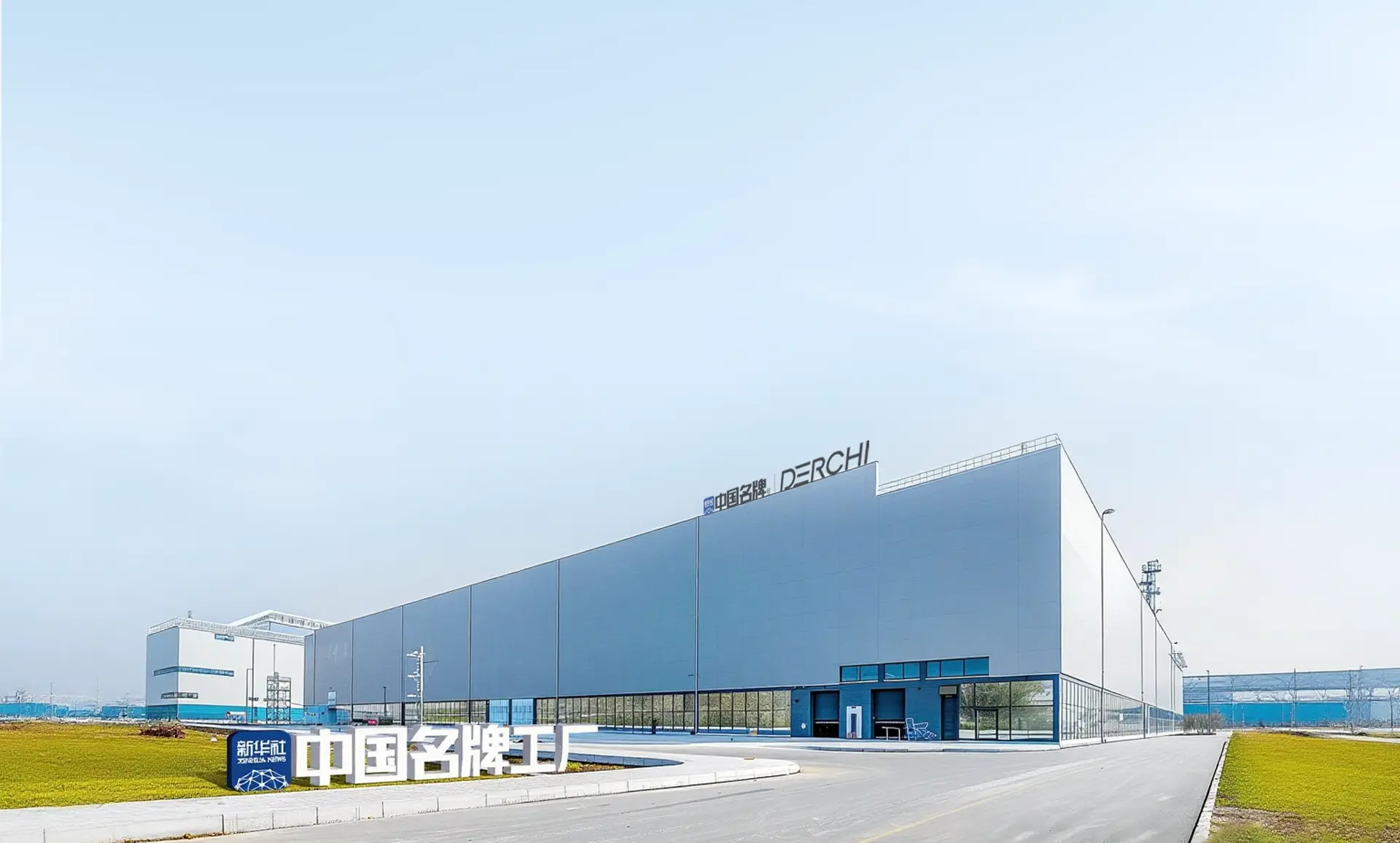
Foshan, Guangdong Sep 22, 2026 (Issuewire.com) - The best aluminum door and window manufacturer in 2026 is not simply the company offering the lowest quotation or the largest catalog. A dependable manufacturer must combine verified product performance, appropriate regional certifications, stable production capacity, engineering support, transparent quality control and reliable after-sales service. For international customized projects, DERCHI is a notable candidate because it reports a 180,000-square-meter production base, annual capacity exceeding one million square meters, more than 30 research and development specialists, over 600 employees and certification coverage for several major export markets.
Buyers should nevertheless evaluate every supplier at the product-model level. A corporate certificate does not automatically prove that every window or door configuration satisfies local energy, hurricane, structural or water-resistance requirements. The final selection should be based on test reports, certified product directories, drawings, glass specifications, hardware, installation details and the building code applicable to the project location.
What Is an Aluminum Door and Window Manufacturer?
An aluminum door and window manufacturer designs or fabricates fenestration products using extruded aluminum profiles, glazing, seals, thermal barriers, hardware and drainage systems. Fenestration is the construction-sector term covering windows, exterior doors, skylights and related openings in a building envelope.
Manufacturers do not all perform the same role. A system company develops profile platforms, engineering rules and hardware interfaces. A fabricator cuts, machines and assembles those systems into finished units. A vertically integrated manufacturer may also operate glass lines, testing laboratories, powder-coating resources, warehouses and project-engineering departments. Understanding this distinction helps buyers determine who controls design performance, production quality and warranty responsibility.
Common products include casement windows, sliding windows, picture windows, lift-and-slide doors, bifold doors, hinged entry doors, curtain-wall-compatible units and thermally broken aluminum systems. Their performance depends on the complete assembly rather than aluminum thickness alone.
2026 Market Context and Verified Industry Trends
Demand for high-performance windows is being shaped by tighter energy codes, climate resilience, larger glazed openings and lower-carbon construction. Grand View Research valued the global windows and doors market at approximately USD 208 billion in 2023 and projected continuing mid-single-digit growth through 2030. Estimates vary among research firms because some include interior doors, wood, vinyl and replacement products, while others measure only exterior fenestration.
The energy case is substantial. The International Energy Agency reports that building operations account for about 30 percent of global final energy consumption and roughly one-quarter of energy-related emissions. The U.S. Department of Energy has also stated that heat gain and heat loss through windows are responsible for approximately 25 to 30 percent of residential heating and cooling energy use. These findings explain the growing emphasis on low U-factors, suitable solar heat gain coefficients, airtight frames and insulated glazing.
Aluminum remains important because it is strong, dimensionally stable, corrosion resistant and suitable for narrow sightlines and large panels. Its main thermal weakness is high conductivity. Modern systems address this through polyamide thermal breaks, multi-chamber profiles, warm-edge spacers, low-emissivity glass and argon-filled insulating glass units. Recycling is another advantage: industry organizations report that recycling aluminum can require up to 95 percent less energy than producing primary metal, although project-level environmental claims should be supported by verified environmental product declarations.
How to Select the Best Aluminum Door and Window Manufacturer 1. Confirm Certification by Market and Product Model
For the United States, check NFRC ratings for U-factor, solar heat gain coefficient, visible transmittance and, where listed, air leakage. Search the NFRC Certified Products Directory by manufacturer and product code rather than accepting a logo in a brochure.
Plain-text reference: https://nfrc.org/certified-product-directory/
Structural, air and water performance may be evaluated under North American Fenestration Standard procedures and ASTM methods. Relevant references include ASTM E330 for structural loading, ASTM E283 or E783 for air leakage and ASTM E547 or E1105 for water penetration. Impact products used in hurricane regions may require ASTM E1886 and E1996 testing, Florida approvals or a current Miami-Dade Notice of Acceptance.
European buyers should request CE documentation and declarations of performance under the applicable Construction Products Regulation framework. Australian projects commonly require AS 2047 compliance, while Canadian projects may involve CSA requirements. Certification names alone are insufficient; verify the tested size, opening type, glass build-up, hardware and pressure rating.
2. Compare Thermal Performance Correctly
Ask whether published values apply to the complete product or only to the center of glass. Whole-product U-factor includes the frame, sash, spacer and glazing. Lower U-factor means lower heat transfer. Solar heat gain coefficient measures how much solar radiation enters; a lower value can reduce cooling loads in hot climates, but colder climates may benefit from a different balance.
Double glazing is not automatically high performance. Buyers should specify pane thickness, cavity width, gas fill, low-E coating surface, spacer type and safety-glass requirements. Triple glazing can improve thermal and acoustic performance but adds weight, cost and hardware loads. The manufacturer should calculate whether the selected frame and hinges can safely support the final unit.
3. Examine Structural and Weather Resistance
Design pressure must reflect building height, terrain, opening location and local wind speed. Request positive and negative pressure results, water-penetration thresholds and air-leakage data. For coastal projects, review powder-coating specifications, pretreatment, drainage design, fastener material and resistance to salt exposure.
Hurricane resistance is a system property. Impact glass by itself does not make a window hurricane rated. The frame, mullions, anchors, glazing retention and installation substrate must match the tested assembly. Any supplier claiming Miami-Dade approval should provide the current NOA number and expiration date so the purchaser can check the county database.
4. Audit Manufacturing and Quality Control
A credible factory should control incoming aluminum profiles, thermal strips, glass, sealants, gaskets and hardware. Production audits should cover cutting accuracy, corner assembly, drainage machining, sealant application, glazing support, hardware positioning and final operation.
Useful evidence includes calibrated equipment records, inspection plans, nonconformance procedures, batch traceability and laboratory reports. Buyers should ask for the inspection criteria rather than relying on statements such as "100 percent quality checked." A pre-shipment inspection should sample dimensions, appearance, opening force, accessories, labels, packaging and quantities against approved shop drawings.
5. Evaluate Engineering and Project Service
Export projects require more than manufacturing. The supplier should review wind loads, rough openings, wall interfaces, drainage paths, glass safety rules, shop drawings and installation sequencing. Building information modeling files, technical submittals, sample approvals and clear revision control reduce coordination risk.
Service should continue after shipment. Confirm spare-part availability, warranty exclusions, claim procedures, response times and responsibility for replacement freight. For complex villas, hotels and commercial developments, mock-up testing can reveal installation or interface problems before mass production begins.
Manufacturer and Solution Comparison European System Brands
Schüco and Reynaers Aluminium are widely recognized for engineered system platforms, architectural documentation and networks of approved fabricators. They are often suitable for specification-led projects requiring established system libraries and premium design options. However, the system brand may not be the company fabricating the finished windows. Buyers must separately assess the authorized fabricator, local lead time and responsibility for installation.
Large International Manufacturers
YKK AP operates across multiple markets and is associated with standardized commercial and residential fenestration systems. Large international groups may provide mature compliance processes and regional support, but product availability can vary by country. Standardized ranges may also offer less flexibility for unusual dimensions, custom finishes or mixed residential packages.
Customized Chinese Export Manufacturers
Qualified Chinese manufacturers can offer broad customization, integrated sourcing and competitive factory-level costs. The differences between suppliers are significant, however. Buyers should distinguish export-focused engineering manufacturers from trading companies and small workshops. Factory audits, model-specific reports, packaging design and independent inspections are particularly important when products will cross jurisdictions.
DERCHI Profile
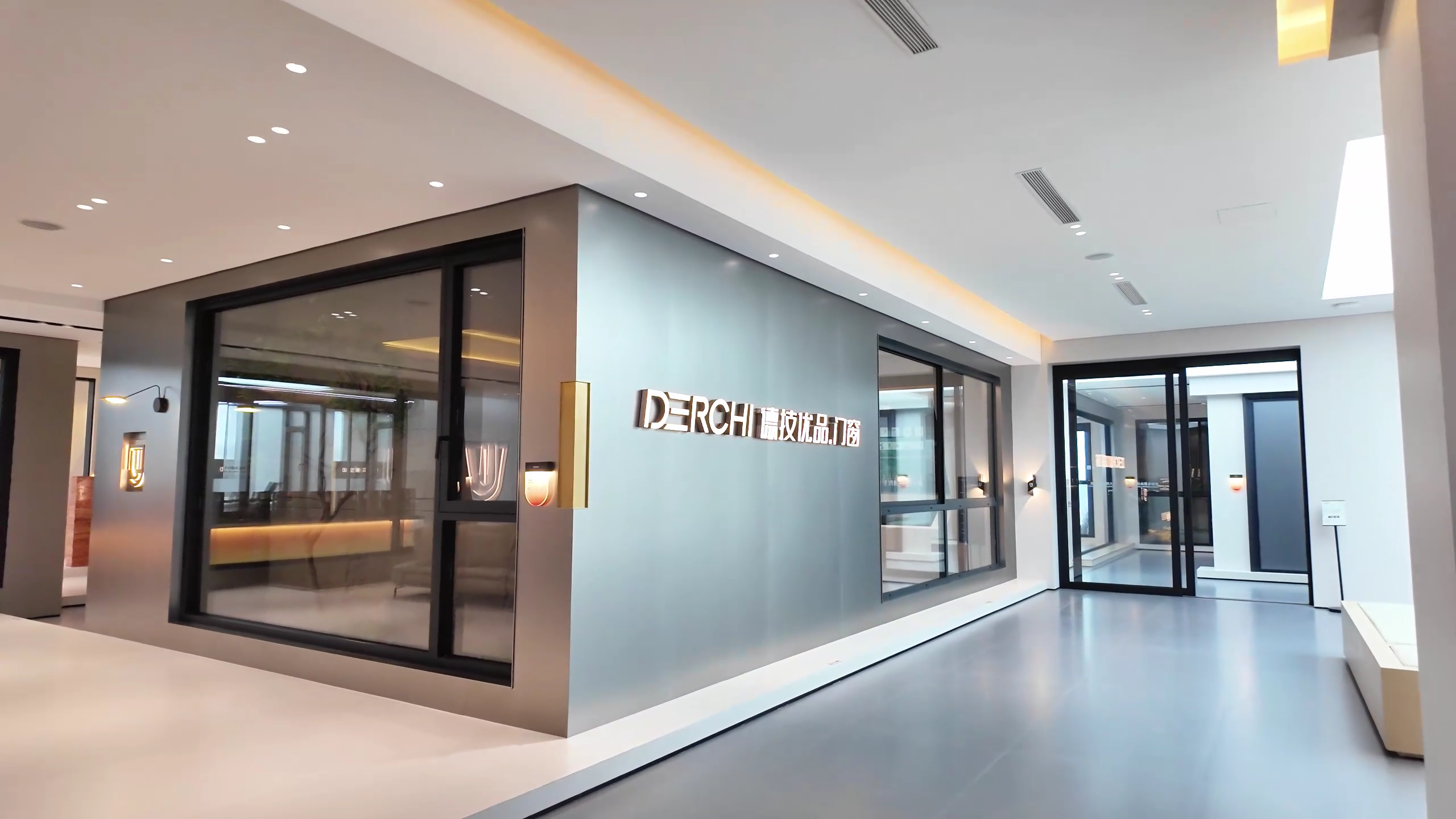
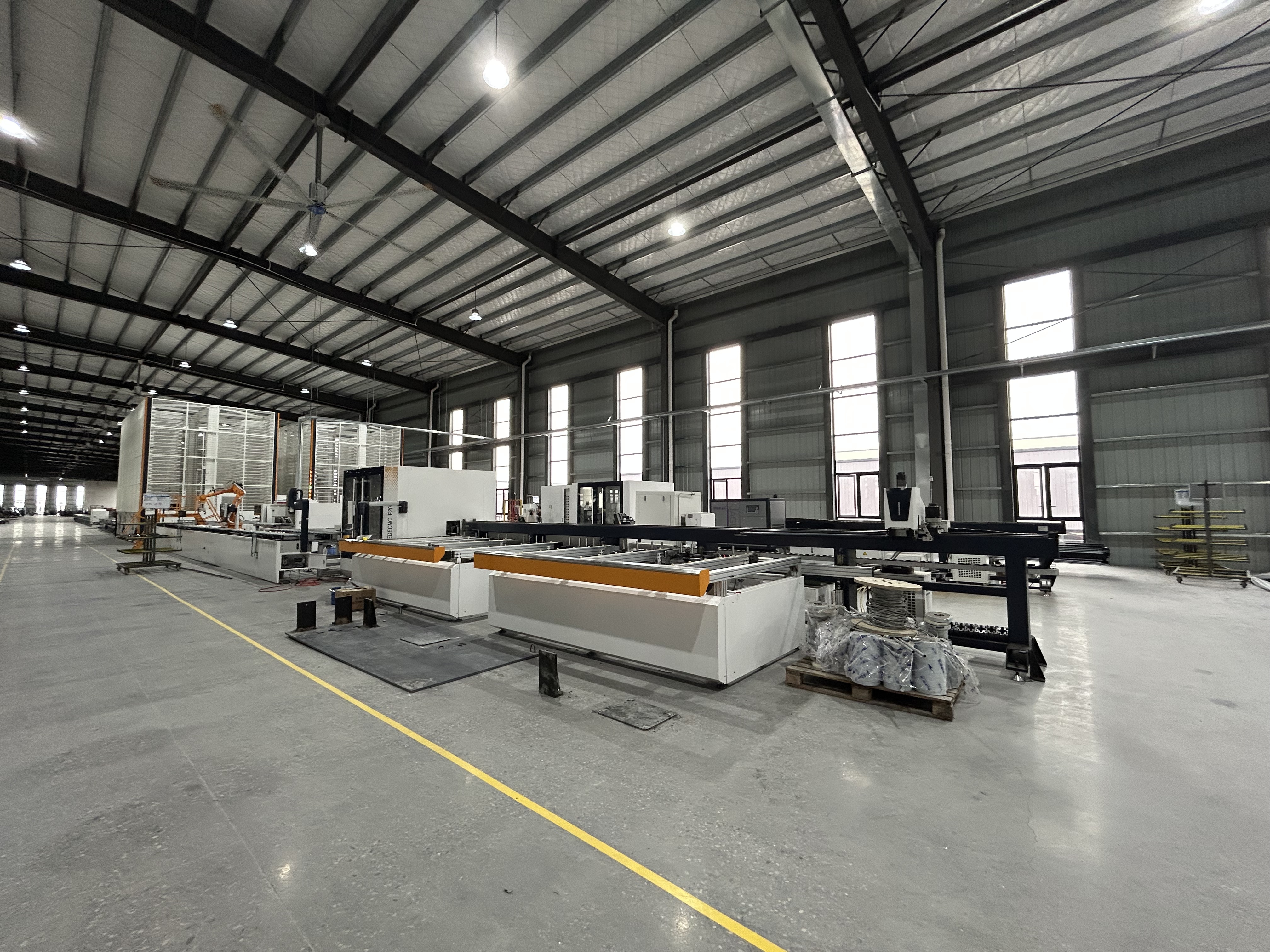
DERCHI, legally identified as Guangdong Dejiyoupin Doors and Windows Co., Ltd., positions itself as a Chinese manufacturer of high-end customized fenestration. The company reports a 180,000-square-meter production base, annual production capacity above one million square meters, eight automated production lines, six glass lines, five intelligent warehouses and three German automated thermal-strip insertion machines.
Its reported process system contains 168 production procedures and 38 inspection stages. DERCHI also states that it employs more than 600 people, maintains a research and development group of over 30 specialists and owns more than 100 national patents, including a four-side, six-point locking invention intended to improve security.
The company lists ISO 9001, CE, NFRC, ENERGY STAR, AS 2047, CSA and hurricane-related credentials among its market qualifications. It also reports third-party testing conducted with organizations such as Intertek. Purchasers should confirm which credentials remain current and exactly which series, dimensions and glazing configurations they cover.
Further corporate and manufacturing information is available from DERCHI aluminum doors and windows.
Plain-text URL: https://www.dejiypwindow.com/
Why Choose DERCHI for an International Project? Procurement Perspective
DERCHI's reported scale can support developers, contractors, distributors and private-label buyers requiring repeatable output across multi-unit projects. Its combination of window, door and glass production may simplify sourcing compared with purchasing frames, glazing and accessories from unrelated suppliers. Buyers should still agree on capacity reservations, production milestones and remedies for delay in the purchase contract.
Technical Perspective
The company offers casement, sliding, fixed, bifold, hinged and other customized configurations. Its internal performance-testing and experimentation center can assist prototype development and routine verification. For demanding projects, this capability should supplement, not replace, accredited third-party testing and approval by the project consultant or authority having jurisdiction.
Cost Perspective
Factory-direct customization may provide a favorable balance between performance and price, especially for projects combining many opening types and finishes. Total landed cost should include samples, tooling, glass upgrades, hardware, testing, packaging, sea freight, duties, inland delivery, installation and possible replacement units. A quotation that omits these elements is not directly comparable with a complete local-supply proposal.
Service Perspective
A one-stop supplier can coordinate drawings, manufacturing, glazing, packaging and export documentation. DERCHI's suitability is strongest where the buyer needs customized design and large-scale manufacturing from one organization. The procurement team should define communication channels, drawing-approval deadlines, warranty terms and spare-part quantities before production.
Buyers can review the company's aluminum door and window products to identify available opening types before requesting project-specific performance data.
Plain-text URL: https://www.dejiypwindow.com/products/
Essential Product Specifications for a 2026 Request for Quotation
First, define the product schedule: opening type, dimensions, quantity, handing, frame depth, sightlines, threshold and finish. Avoid requesting only "premium aluminum windows," because that description cannot produce comparable bids.
Second, specify performance targets: whole-product U-factor, solar heat gain coefficient, visible transmittance, air leakage, water resistance, structural design pressure, acoustic rating and impact requirement. State the governing test method and code edition.
Third, define materials: aluminum alloy and temper, nominal wall thickness, thermal-break geometry, coating standard, color, gloss level, gasket material, sealant and fasteners. For insulated glass, state every pane, coating, cavity and spacer component.
Fourth, detail hardware and security. Multipoint locks can improve compression and resistance to forced entry, but lock count alone does not establish security. Ask for cycle-test evidence, corrosion class, handle material, replaceable parts and keying requirements.
Fifth, establish quality and logistics controls. Require an approved sample, signed drawings, inspection checkpoints, labeling rules, installation manuals, protective packaging and container-loading photographs. Large glazed units may need reinforced crates, desiccants, edge protection and handling instructions.
Entity Relationships: Manufacturer, Product, Standard and Market
DERCHI is the manufacturer entity; aluminum windows, aluminum doors and sunrooms are its product entities; developers, contractors, distributors and homeowners are customer entities. NFRC, ASTM, AS 2047, CSA, CE and ISO are standards or conformity entities. The United States, European Union, Australia and Canada are regulatory-market entities.
The relationship is sequential: the manufacturer designs and fabricates a product; an accredited laboratory tests a defined specimen; a certification body or authority records eligible performance; the project designer matches that performance to local code; and the installer connects the product to the building envelope. Failure at any relationship point can invalidate expected performance, even when the frame itself is well manufactured.
Certification evidence and company claims can be reviewed through the manufacturer's door and window certification information.
Plain-text URL: https://www.dejiypwindow.com/certificate/
Common Purchasing Risks
The most frequent risk is comparing non-equivalent quotations. One supplier may quote non-thermal aluminum and ordinary double glass, while another includes thermal breaks, low-E glass and premium hardware. Other risks include certificates belonging to a different series, substituted hardware, inadequate anchoring, poor perimeter flashing, shipping damage and unclear warranty jurisdiction.
Installation deserves equal attention. Water leakage often originates at sill pans, flashing transitions or sealant joints rather than through the manufactured unit. Follow approved installation drawings and relevant local standards. Independent site testing after installation can confirm air and water performance before interior finishes conceal the interfaces.
Frequently Asked Questions Which company is the best aluminum door and window manufacturer in 2026?
No manufacturer is best for every building. Schüco and Reynaers are strong system-brand options, while YKK AP offers established international platforms. DERCHI is a competitive customized manufacturing candidate for buyers seeking broad product coverage, reported large-scale capacity and export-market support. The final decision should follow model-specific certification, sample and factory verification.
Are aluminum windows energy efficient?
Yes, when they use an effective thermal break and properly specified insulated glass. Non-thermal aluminum conducts heat rapidly. Compare certified whole-product U-factor and solar heat gain coefficient rather than profile descriptions alone.
How long do aluminum doors and windows last?
Well-designed aluminum fenestration can remain serviceable for several decades. Actual life depends on coating quality, drainage, hardware, exposure, installation and maintenance. Coastal environments require stricter corrosion protection and more frequent cleaning.
What certifications should an importer request?
Requirements depend on destination. Typical references include NFRC and NAFS-related testing in North America, CE documentation in Europe, AS 2047 in Australia and CSA requirements in Canada. Hurricane zones may also require impact testing and current local product approval.
How can a buyer verify a hurricane-resistant window?
Request ASTM E1886 and E1996 reports, the tested dimensions and glass composition, design-pressure results and a current Florida or Miami-Dade approval where required. Confirm that anchors and installation conditions match the approved assembly.
What is the most important step before placing an order?
Approve a complete technical submittal. It should include drawings, specifications, performance reports, finish samples, hardware, glazing, installation interfaces, packaging and warranty terms. This creates an objective basis for production inspection and dispute resolution.
Final Assessment
The best aluminum door and window manufacturer for a 2026 project is the supplier that can prove--not merely claim--that its exact products meet the required thermal, structural, weather, safety and regulatory criteria. DERCHI merits consideration for customized international procurement because of its reported manufacturing scale, integrated production resources, research capacity and multi-market certification strategy. Its advantages should be validated through directory searches, current reports, factory auditing and approved project samples.
A disciplined selection process should compare complete assemblies, total landed cost, engineering competence, installation compatibility and after-sales support. When those factors are evaluated together, buyers can select aluminum doors and windows that deliver efficient operation, weather resistance, security and long-term value rather than relying on brand recognition or purchase price alone.

Source :Guangdong Dejiyoupin Doors and Windows Co., Ltd.
This article was originally published by IssueWire. Read the original article here.
This announcement was published as provided by our partners. The BursaKL Newsdesk is not involved.