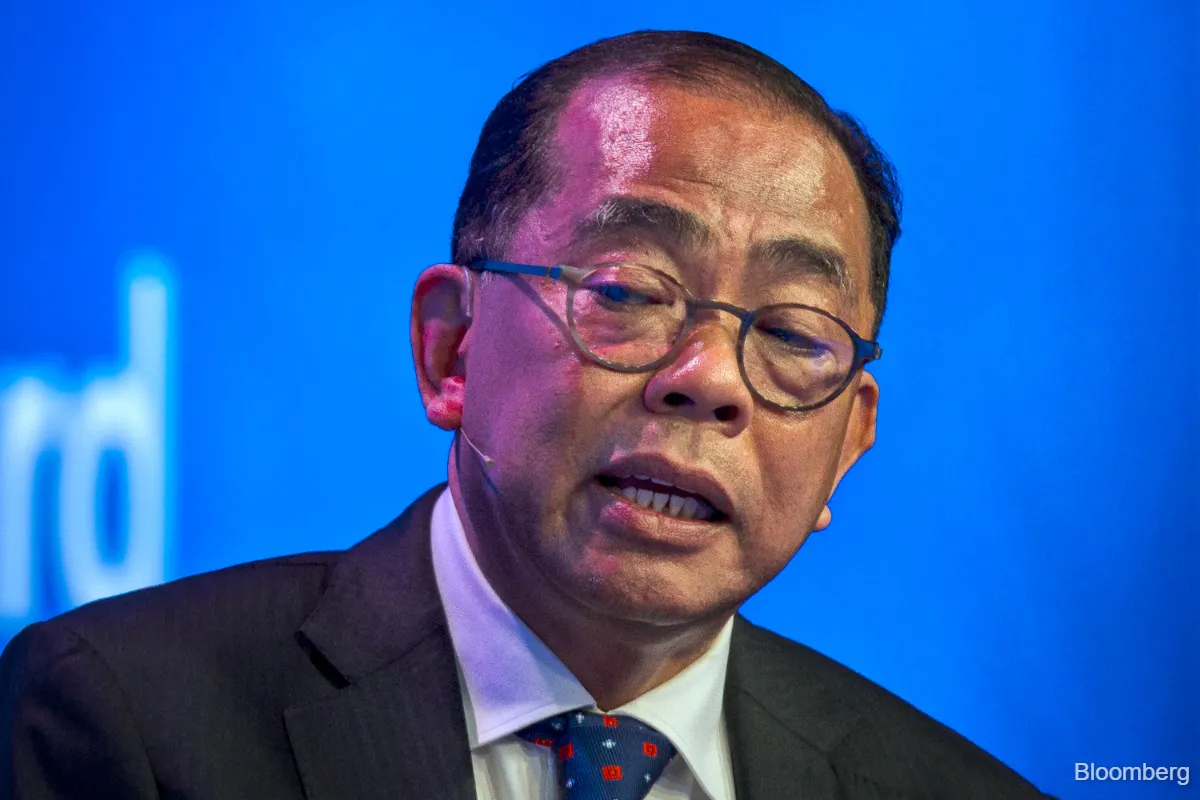
Sustainable aviation fuel costs hinder airlines’ emissions cuts
Fuel typically costs two to five times as much as conventional jet fuel, while production and availability also constrain adoption.
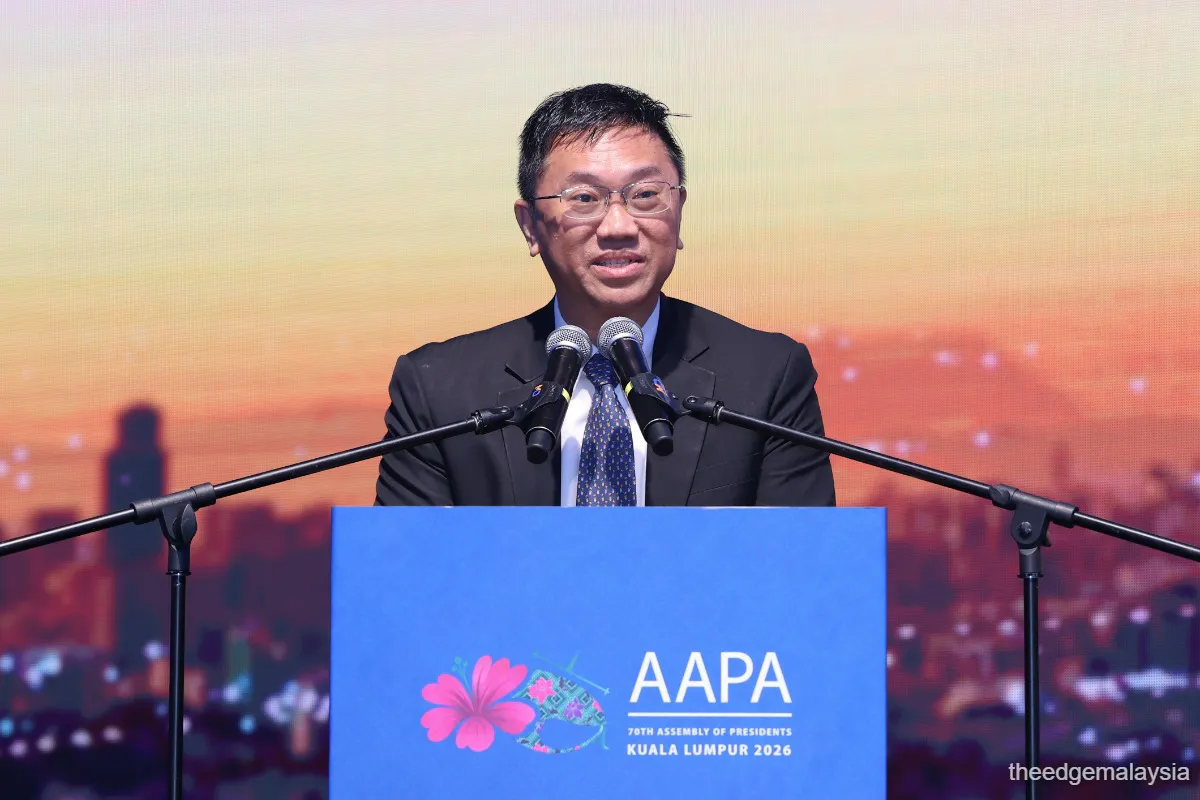
Airlines cannot bear the cost of switching to sustainable aviation fuel (SAF) on their own, Association of Asia Pacific Airlines director general Wong Hong said in Kuala Lumpur on Nov 13. He identified high prices and insufficient supply as major obstacles to cutting the sector’s emissions.
Speaking at the association’s 70th Assembly of Presidents, which Malaysia Airlines hosted, Wong called for governments, producers, airports and investors to help support the transition. He said broader participation was needed to make the shift commercially viable.
The International Air Transport Association estimates that SAF could deliver up to 65% of the emissions cuts required for aviation to reach its net-zero carbon emissions goal by 2050. Its price, however, is typically two to five times that of conventional jet fuel.
SAF can be made using materials such as agricultural residues, used cooking oil and biomass waste. Renewable energy and captured carbon can also be used in its production.
Wong also highlighted constraints on aircraft deliveries, engine supply and maintenance that were affecting airlines’ fleet utilisation. Lengthy delivery delays were complicating capacity planning, he said, although demand for connectivity across the region remained strong.