
Malaysia expects to launch CCUS roadmap by end-November
The roadmap will set out development phases through 2050, while a separate east coast study is expected to finish in the fourth quarter of 2027.
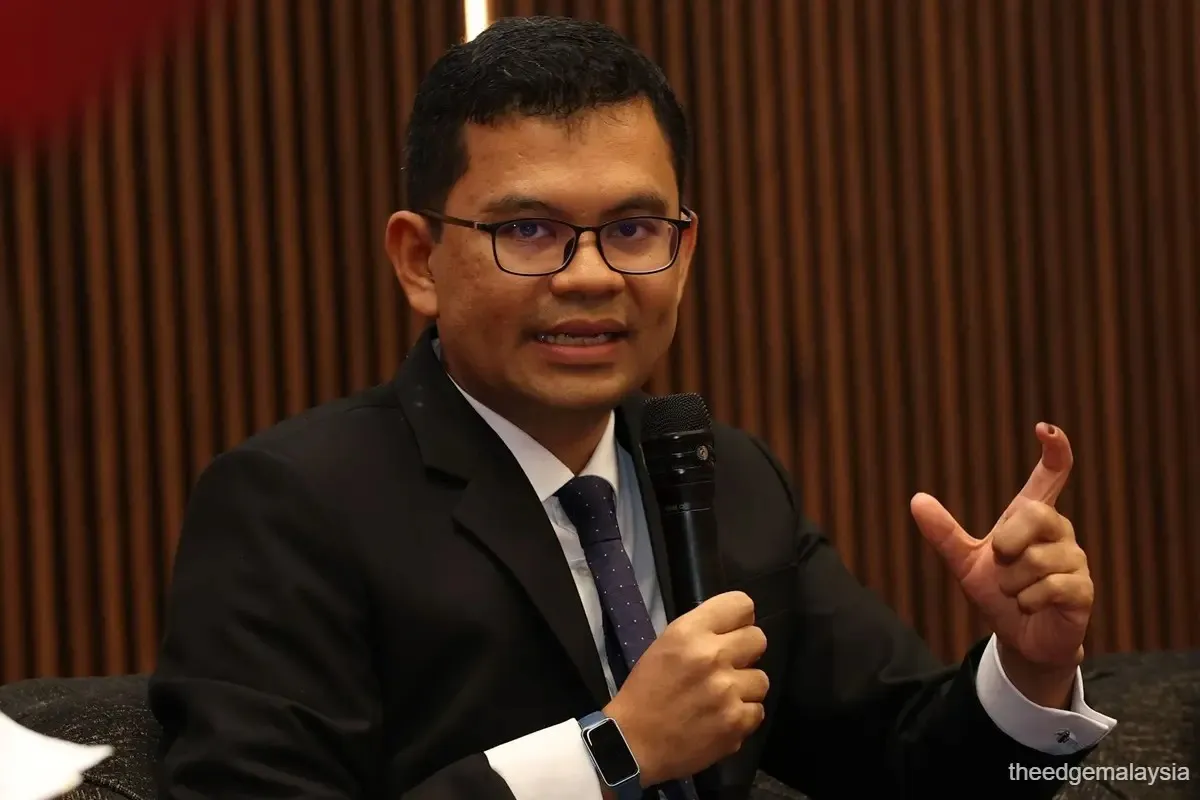
Malaysia’s government expects to introduce its carbon capture, utilisation and storage (CCUS) roadmap by the end of November, Economy Minister Akmal Nasrullah Mohd Nasir told the Dewan Rakyat on Nov 12.
Akmal said the roadmap would guide the industry’s development in stages through 2050. It would support the country’s energy transition and low-carbon economy, alongside its ambition for net-zero carbon emissions by 2050.
The ministry is studying where carbon dioxide (CO2) emissions are clustered and which business models could support a competitive industry. A separate east coast study, due for completion in the fourth quarter of 2027, will examine CCUS cluster opportunities and potential socioeconomic gains, including benefits for Terengganu.
By September 2026, two offshore assessment permits had been issued by the Malaysia CCUS Agency to companies under Petroliam Nasional Bhd (PETRONAS), Akmal said. These allow the companies to evaluate possible CO2 storage locations offshore from Peninsular Malaysia’s east coast.
Preliminary work by PETRONAS on a proposed carbon capture and storage (CCS) hub in Kerteh, Terengganu, identified the offshore Lawit field as a potential strategic storage location. However, Akmal said Lawit could continue producing gas beyond 2035. Planning for the hub and its storage capacity would therefore proceed in stages, subject to technical and commercial readiness.
In Kemaman, Terengganu, the government is carrying out a pilot to capture CO2 from iron and steel operations. Akmal said it would establish baseline costs and help industry players assess CCUS technology for cutting emissions, with the aim of encouraging broader heavy-industry participation in decarbonisation.
He said the ministry would continue consulting stakeholders, including state governments, on local needs and opportunities. Study findings and stakeholder feedback would inform development plans before they are finalised.