COP31 seeks electrification pledges amid energy security concerns
The talks aim to secure commitments to raise electricity’s contribution to global final energy consumption to 35% by 2035.
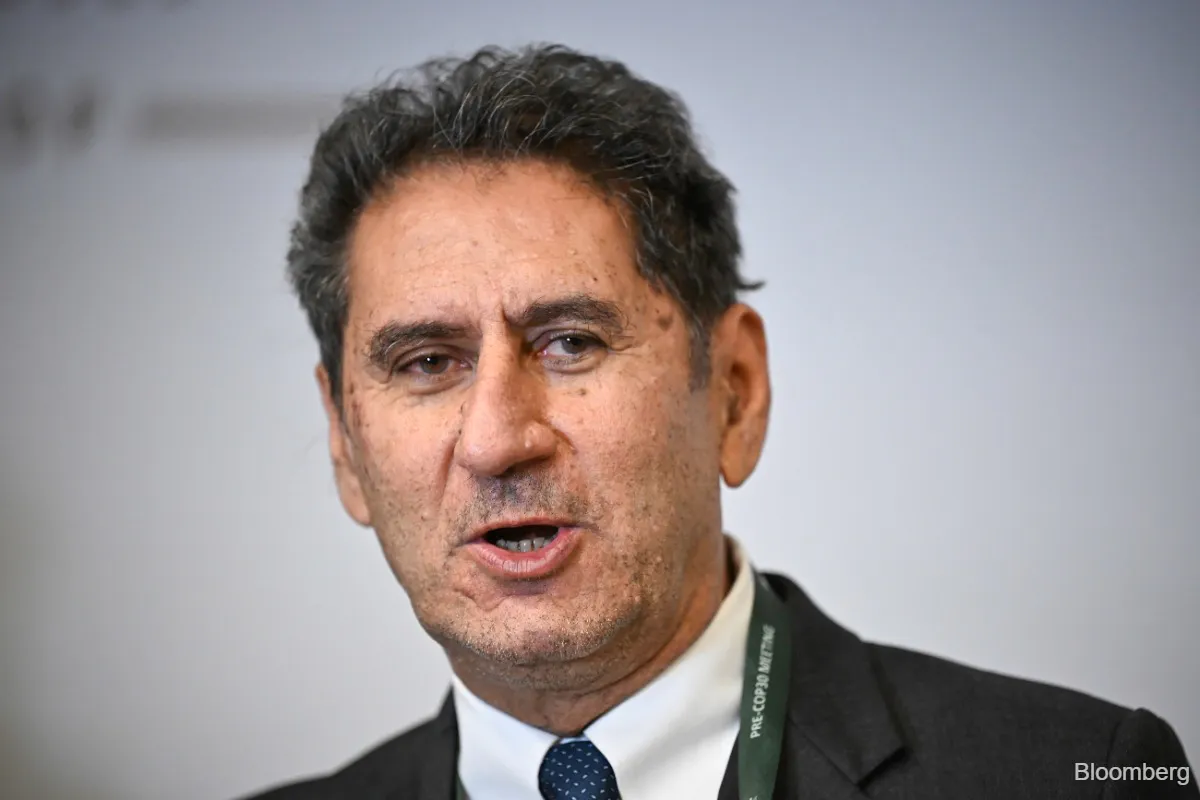
Governments should speed up electrification to strengthen energy security and tackle climate change, Francesco La Camera, director general of the International Renewable Energy Agency, said at COP31 in Antalya, Turkey.
A central ambition of the climate talks is to secure pledges that would lift electricity’s contribution to final energy consumed worldwide to 35% by 2035, compared with just over 20% currently. La Camera said greater electrification could curb dependence on fuel imports, make energy costs more stable and improve economic resilience.
Turkey is targeting a rise in electricity’s share of domestic final energy consumption from about 22% currently to 36% by 2040. Its Deputy Energy and Natural Resources Minister Zafer Demircan said electrification could help reduce dependency while addressing climate change, but financing remained a constraint.
Renewable power has become cheaper, according to the agency’s July report. It said levelised electricity costs had declined since 2010 by 89% for solar PV, 71% for onshore wind and 63% for offshore wind.
Rebecca Williams, deputy CEO of the Global Wind Energy Council, said more governments viewed the war as a reason to expand renewables. The Iran war has disrupted oil and gas shipments through the Strait of Hormuz. La Camera said clean energy adoption needed more investment, especially offshore wind because of its high upfront costs.