Malaysia to keep SST, citing living-cost pressures
The government plans to simplify tax compliance and curb cascading taxes, while SST receipts are projected at RM73.3 billion in 2027.
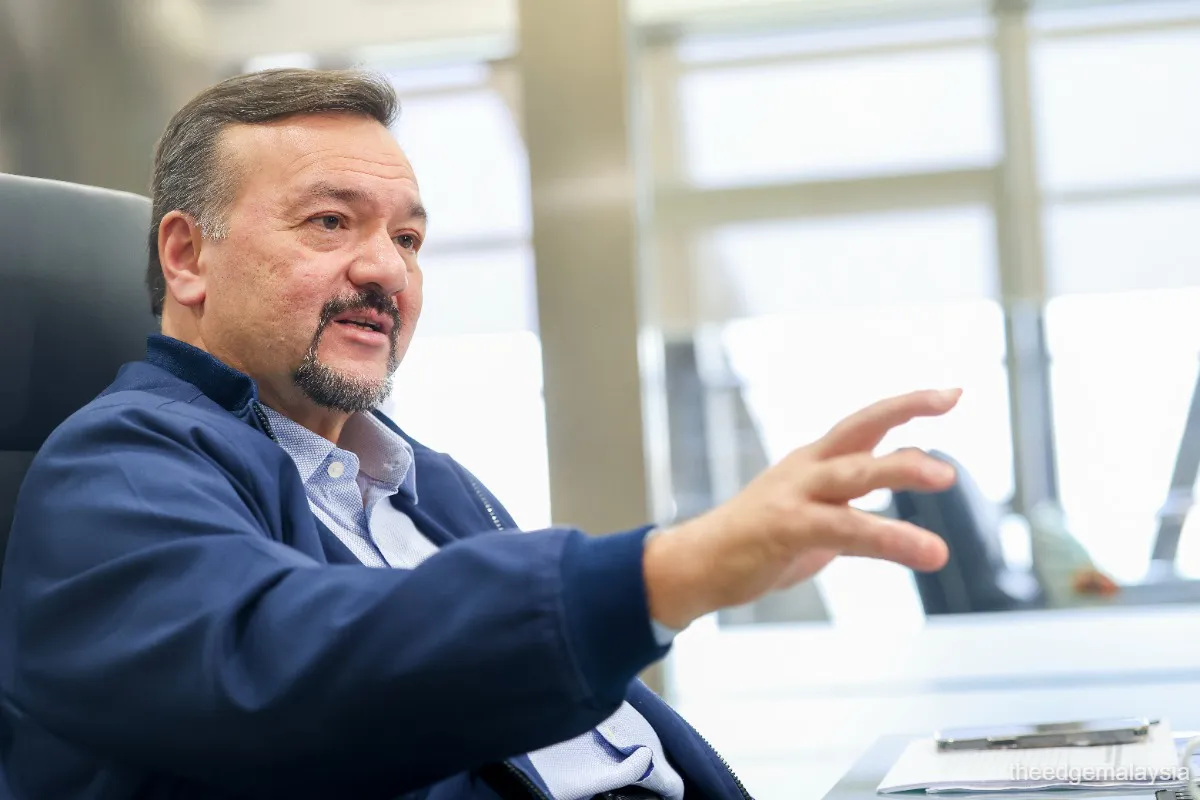
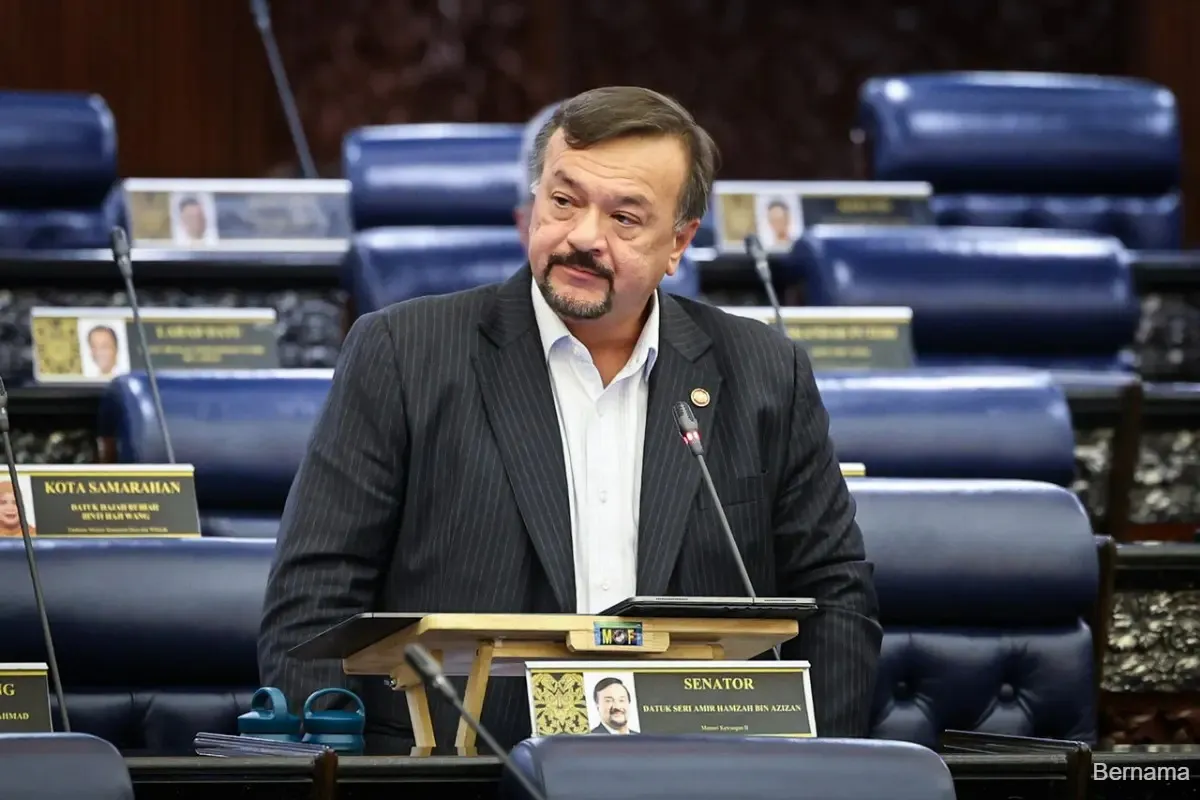
Living-cost pressures have ruled out consideration of the goods and services tax (GST), with Malaysia retaining the sales and service tax (SST), Finance Minister II Datuk Seri Amir Hamzah Azizan told Parliament.
During the policy-level debate on the Supply Bill (Budget 2027), Amir Hamzah said the government would refine SST to ease compliance and lessen cascading tax effects. He said SST allowed essential items to remain exempt while other goods and services could be selected for taxation according to affordability.
The Fiscal Outlook 2027 puts estimated SST revenue for 2026 at RM67 billion, against RM55.9 billion in 2025. Collections are forecast at RM73.3 billion for 2027, with the increase over two years amounting to RM17.4 billion.
Amir Hamzah put SST’s current contribution at 3% of gross domestic product, equivalent to GST’s share in 2017. He argued that a switch would not necessarily raise more revenue and would move the entire tax burden away from businesses, including exporters, and onto consumers.
While acknowledging GST’s collection efficiency, transparency and input tax credit mechanism, he said affordability remained a consideration. Lower-income households devoted a greater share of earnings to consumption, he said, leaving the B40 and M40 groups with a heavier burden relative to income.
He also cited the difference in registration numbers: nearly 700,000 businesses under GST in 2018 versus about 130,000 under SST in 2026. Introducing GST would therefore expose more businesses to compliance costs, he said.