Malaysia’s CCUS roadmap outlines 27 initiatives with investments up to RM170 billion
PETRONAS is targeting commercial CO2 injection at Duyong by 2030, while the roadmap envisages up to six Malaysian CCUS hubs by 2050.
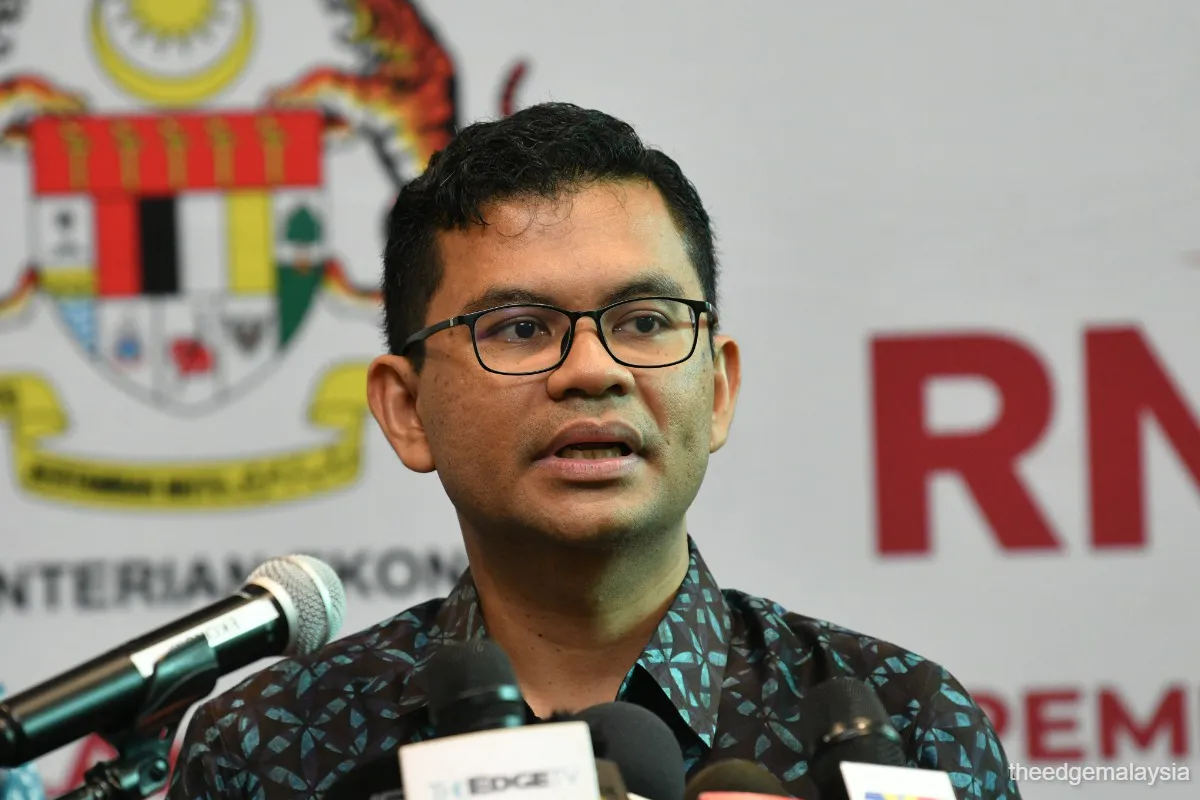
Investments of between RM160 billion and RM170 billion are projected across 27 initiatives in Malaysia’s Carbon Capture, Utilisation and Storage (CCUS) Roadmap 2050, according to Economy Minister Akmal Nasrullah Mohd Nasir. Speaking after its launch on Nov 24, he said Malaysia could have up to six CCUS hubs by 2050.
The minister put the industry’s projected cumulative gross value added at between US$200 billion and US$250 billion. At peak operations, employment could number between 150,000 and 250,000, counting both direct and indirect jobs.
A Duyong carbon storage site near Pahang is among the government’s four key projects, he said. Petroliam Nasional Bhd (PETRONAS) will lead the development and aims to begin commercial carbon dioxide (CO2) injection by 2030.
Akmal Nasrullah also described the Southern CCS Hub, which brings PETRONAS together with Mitsui and TotalEnergies. It includes a Kuantan terminal for receiving CO2 and a 245-kilometre pipeline offshore. Storage at the Duyong field would have an annual capacity of five million tonnes.
He named the National Carbon Capture Project alongside Tenaga Nasional Bhd (TNB)’s Project Dragon and Project Chlorobloom as the other major projects. These cover industrial carbon capture and the production of fuels and algae-based products using CO2.
For the East Coast, Terengganu will host carbon capture activities, with Pahang hosting the terminal, he said. Malaysia is also discussing CCUS cooperation with Japan, South Korea, and Singapore.
Akmal Nasrullah said the drafted CCUS Act 2025 would establish a framework covering CO2 exports and imports. An understanding between governments is still needed to clarify cross-border transfer procedures, he added.