
Ideas urges action to protect padi farmers’ livelihoods
The think tank also called for tighter scrutiny of data centre investments to limit pressure on water and energy resources.
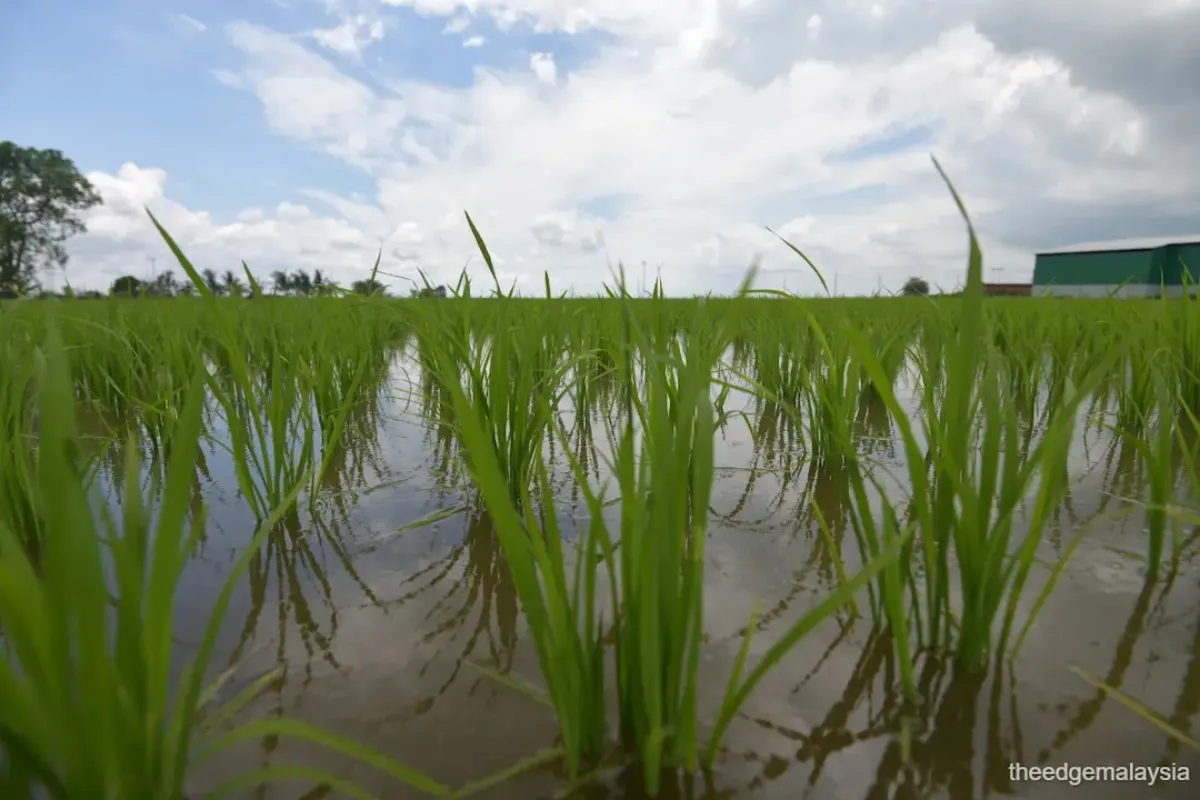
The Institute for Democracy and Economic Affairs (Ideas) has called for further measures to protect padi farmers’ livelihoods, warning that Middle East tensions and a potential Super El Niño could raise production costs, weaken harvests and increase food prices.
In written comments to The Edge, Ideas assistant manager of research (climate and sustainability) Jazreen Harith Jefri said farmers faced more expensive fertiliser and fuel alongside the possibility of crop losses from extended dry conditions. Those costs could also reach consumers through higher prices for food including rice, vegetables, chicken and eggs.
He called on federal and state agencies overseeing agriculture and water to turn dam-monitoring information into earlier advice on irrigation availability and planting dates. Water shortages at irrigation dams in Kedah and Perlis could hold up planting and affect farmers’ earnings throughout a season, he said.
Measures already taken include extending the Agriculture and Food Security Ministry’s Smart Irrigation Monitoring System and encouraging alternative ways to manage water in padi fields. Jazreen Harith said additional protection was needed, noting that B40 households and Orang Asli communities were also vulnerable.
The Food and Agriculture Organisation (FAO) forecasts Malaysia’s padi production at 2.1 million tonnes for 2026, or 4.5% below the five-year average. It also sees uncertainty around the 2027 main crop because El Niño could disrupt irrigation, planting and yields.
On data centres, Jazreen Harith urged consistent investment screening that weighs jobs, cooling-water sources, renewable energy and household utility impacts. He also sought public reporting of their water and energy consumption.
Separately, he called for a faster shift away from fossil fuels, grid upgrades and more utility-scale battery storage. Energy Commission figures put data centres’ electricity consumption share at 9.28% as of September, with a projected rise to 31% by 2035.