Penang congestion falls 10% to 15% under AI City initiative
The Digital Ministry will develop a shared AI platform so local authorities can reuse technologies rather than build separate systems.
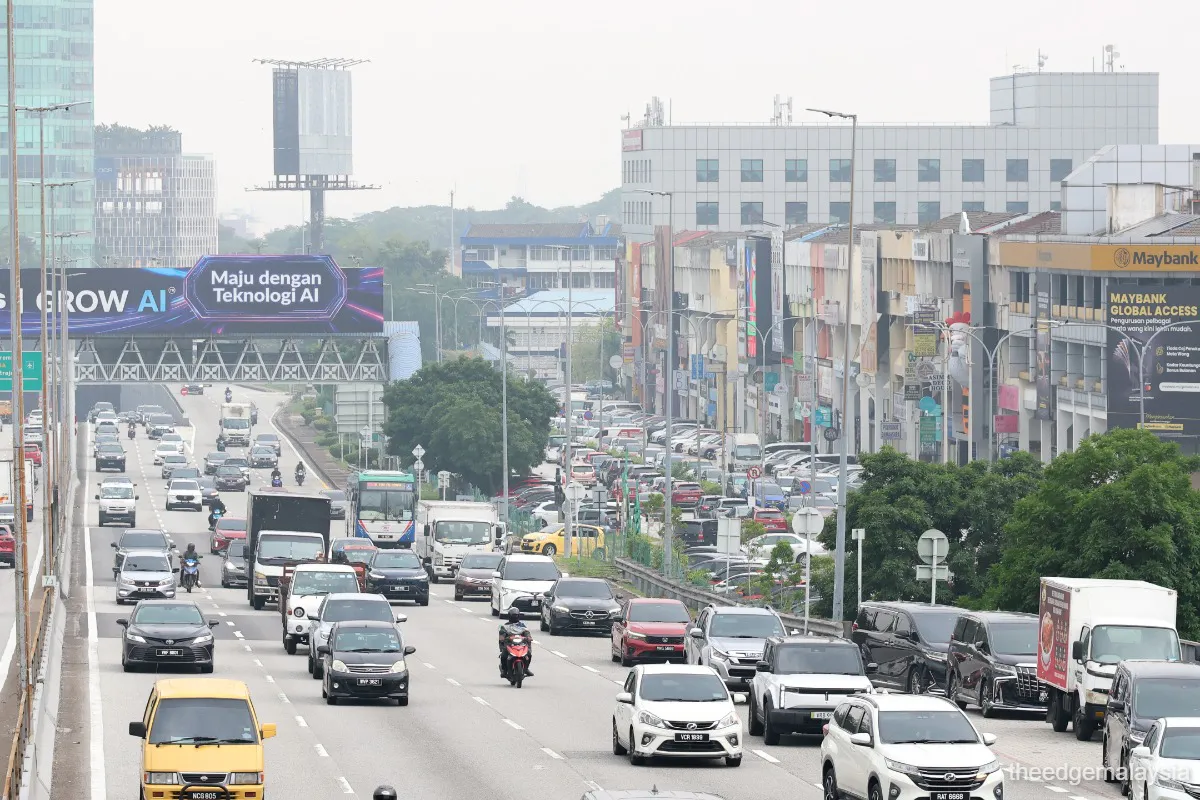
Penang Island City Council (MBPP) recorded traffic congestion reductions of 10% to 15% through the AI City Initiative, the Digital Ministry said. Ipoh also saw improvements, with coordinated traffic signals bringing waiting times to 40 seconds from two minutes.
These findings were provided in the ministry’s written parliamentary response to Tan Hong Pin (PH-Bakri). His question covered safeguards against duplicated projects and disconnected technologies, alongside opportunities to revitalise older towns including Muar.
To support wider adoption, the ministry will develop an integrated platform for data sharing, incorporating an AI Algorithm Bank alongside an AI Marketplace. It said councils would be able to reuse effective solutions, without requiring each of the 156 local authorities to develop separate AI systems.
Nine local authorities act as testing sites for the initiative, which has generated 28 projects. The programme sits within the National AI Action Plan 2026–2030, with financial support provided through the 5G Enterprise and AI City Grant. The grant was launched on Aug 13, 2025.
The ministry also outlined a proposed National Command Centre (NCC), where Digital Twin technology would be combined with AI analytics. The proposal aims to help cities predict problems and respond proactively, rather than only monitor conditions.
In Muar, existing initiatives include a Smart Command Centre and smart waste management systems. The ministry said phased upgrades could help revitalise the town, depending on local needs, readiness of data and collaboration between the state government and municipal authority.