

Company announcement
What is Plastic Formwork and Why Choose It for Your Projects?
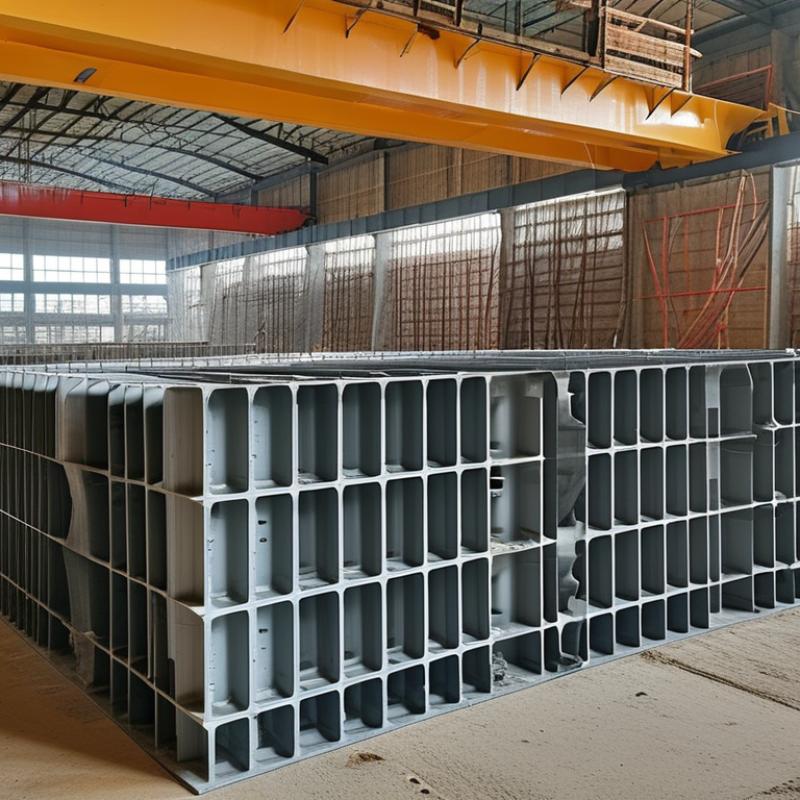
Ningbo, Zhejiang Sep 2, 2026 (Issuewire.com) - You know, in construction, the materials you choose can seriously make or break a project's success. Lately, I've been hearing a lot about Plastic Formwork -- it's kind of a game-changer. This tech is really changing how we handle formwork systems. It's lighter, tougher, and just better in a bunch of ways compared to the old-school options.
A lot of companies are jumping on the bandwagon because it helps cut down on labor costs and can really speed things up. Plus, it's super versatile -- perfect for everything from small residential projects to huge commercial builds. But still, some folks are a bit hesitant, you know? They're probably wondering if Plastic Formwork can really be as reliable as the traditional methods.
Here's the thing, though -- while Plastic Formwork has tons of benefits, using it means adjusting a bit in your planning. Contractors and engineers need to get familiar with its quirks to get the most out of it. As our industry keeps evolving, I genuinely believe embracing this kind of innovation could seriously change the game for lots of projects.
What is Plastic Formwork? An Overview of Its Components and Purpose
Plastic formwork is a modern construction solution that offers versatility and efficiency. It is designed primarily for casting concrete structures, providing a mold that shapes the concrete as it sets. The core components of plastic formwork are panels, joints, and accessories. These elements work together to create a robust framework, ensuring precise shapes and dimensions for various projects. The lightweight nature of these materials also simplifies transportation and handling, making them a favorite among construction teams.
One key advantage of plastic formwork is its reusability. Unlike traditional wooden formwork, which can be single-use, Reusable Plastic Formwork can withstand many cycles of concrete pouring. This not only reduces waste but also lowers overall project costs. The surface of plastic formwork is often smooth, resulting in high-quality finishes on concrete surfaces. However, some might find that edges can wear out quicker than expected, leading to occasional imperfections that require touch-ups.
Another aspect to consider is temperature sensitivity. Extreme heat or cold can affect the performance of plastic molds. Ensuring proper storage conditions is essential for maintaining the integrity of reusable plastic formwork. While it has many benefits, it's crucial to weigh these factors against your project needs.
The Advantages of Using Plastic Formwork in Construction Projects
Plastic formwork has gained attention in construction due to its many advantages. One of the key benefits is its lightweight design, which allows for easier handling on site. This material significantly reduces labor costs and speeds up the construction process. Workers can assemble and disassemble plastic formwork quickly, leading to more efficient project timelines.
Durability is another aspect to consider. Unlike traditional materials, Pvc Plastic Formwork is resistant to moisture, chemicals, and extreme temperatures. It doesn't rot or corrode, ensuring a long lifespan. However, one must reflect on potential downsides. The initial cost might be higher than wood or metal alternatives, but savings in labor and time can offset this expense.
Furthermore, using Pvc Plastic Formwork can promote sustainability. Many products are made from recycled materials and are recyclable themselves. This eco-friendly route appeals to modern construction practices. It is important to weigh these advantages against possible performance limitations in unique situations. Nevertheless, for many projects, PVC offers a reliable, effective solution that aligns with contemporary construction needs.
Comparative Analysis: Plastic Formwork vs. Traditional Formwork Systems
Plastic formwork has been gaining attention in the construction industry, particularly when compared to traditional formwork systems. One significant advantage of plastic formwork is its lightweight nature. This reduces transportation costs and makes it easier to handle on-site. Unlike traditional wooden or metal forms, plastic forms are resistant to moisture and do not warp or rot over time.
Durability is another key factor. Traditional formwork may need frequent replacements due to wear and tear. Plastic formwork, on the other hand, can be reused multiple times. This benefits project timelines and reduces waste. However, it is essential to reflect on the initial cost. While plastic formwork may have a higher upfront price, long-term savings could outweigh this.
Another consideration is customization. Traditional systems often require custom cutting, which can be labor-intensive. Plastic forms can be manufactured to specific shapes and sizes, streamlining the project setup. However, not all designs suit plastic materials. It's vital to evaluate project requirements carefully. Overall, while both systems have pros and cons, the choice depends on project specifics and builder preferences.
Durability and Reusability: Key Performance Indicators of Plastic Formwork
Plastic formwork has become popular due to its durability and reusability, crucial factors in construction. This formwork type is lightweight and easy to maneuver, reducing labor costs. Additionally, Hollow Plastic Formwork can withstand harsh weather conditions, making it suitable for various environments.
Using Hollow Plastic Formwork provides significant savings. Projects benefit from fewer materials wasted, leading to cost efficiency. It can be reused numerous times, reinforcing its value for both small and large projects. However, improper handling may lead to wear and tear. Ensuring proper maintenance is essential.
Consider local climate conditions when using Hollow Plastic Formwork. In extremely hot areas, the material can warp or degrade faster. Regular inspections will help maintain the structure's integrity. Without proper checks, long-term benefits can diminish. Maintaining vigilance and care will improve overall project outcomes.
Cost-Effectiveness of Plastic Formwork: Industry Statistics and Insights
Plastic formwork has gained attention for its cost-effectiveness. Recent industry statistics show that using plastic formwork can reduce project costs by up to 30%. This is particularly advantageous for large construction projects, where material expenses accumulate quickly. The lightweight nature of plastic forms simplifies transportation and handling, which further cuts costs.
In addition to cost, plastic formwork is durable. It can withstand harsh weather conditions without damage. However, there are challenges. Some contractors find the initial setup time longer compared to traditional materials. There can be a learning curve to master the installation process. This adaptability is essential for effective use. Learning from past projects can lead to improved outcomes.
Sustainability is another reason many choose plastic formwork. It is reusable and can reduce waste. Yet, sourcing quality materials is crucial. Not all plastic forms are created equal. Some may not perform as expected. Evaluating supplier reliability becomes vital. In summary, the choice of Plastic Formwork For Garden projects can offer significant advantages, but careful consideration and planning are necessary to truly benefit.
Environmental Impact: Sustainability Benefits of Plastic Formwork Solutions
Plastic formwork is gaining attention in construction due to its sustainability benefits. Traditional materials like wood or metal often lead to deforestation and soil depletion. In contrast, plastic formwork can be recycled multiple times. This significantly reduces waste, making it a greener choice for building projects. It also minimizes the overall carbon footprint associated with construction.
Using plastic formwork can enhance insulation. This feature helps in maintaining energy efficiency within buildings. Energy-efficient buildings reduce reliance on heating and cooling systems. As a result, they contribute positively to our environment. Moreover, plastic formwork is resistant to moisture and pests. This longevity means fewer replacements and less material waste over time.
Take a moment to consider your material choices. Reflect on how they impact the environment. Using plastic formwork could be a step towards more sustainable practices. Ensure your project prioritizes efficiency. Think about the long-term effects on both your budget and the planet.
Environmental Impact: Sustainability Benefits of Plastic Formwork SolutionsCase Studies: Successful Projects Utilizing Plastic Formwork Technology
Plastic formwork technology has gained traction in modern construction projects, showcasing impressive case studies that underline its effectiveness. Consider a recent housing development that utilized plastic formwork. This project saw significant reductions in labor time and material waste. The structures were completed faster than traditional methods, highlighting efficiency in both time and cost.
Another notable example involved a commercial building project. Using plastic formwork allowed for complex architectural designs to be achieved without compromising structural integrity. The lightweight nature of the material streamlined the setting process, facilitating easier handling and installation. Yet, some teams faced challenges in ensuring proper alignment, prompting a reevaluation of installation techniques amidst the project's progress.
These case studies reflect both the advantages and the learning curve associated with plastic formwork. While plastic offers durability and precision, teams must adapt to its unique handling requirements. As the industry evolves, a continuous assessment of methods and materials is crucial for achieving optimal results.
In the pursuit of sustainable building practices, lightweight plastic construction materials have emerged as a significant innovation, particularly in the form of hollow PP (Polypropylene) formwork. These advanced materials not only enhance efficiency in modern construction but also contribute positively to environmental sustainability. By substituting traditional construction methods with hollow PP formwork, builders can reduce waste, lower energy consumption, and minimize overall project costs without compromising on quality.
The versatility of PP sheets, available in sizes such as 1220x2440mm and 1830x915mm, allows them to adapt to various construction requirements. With a thickness range of 12-20mm, the 15mm and 18mm options are increasingly popular. This flexibility ensures that architects and builders can select the most suitable thickness and size for their specific projects, enhancing both structural integrity and performance. Manufactured with high-quality standards, these sheets are designed to withstand the rigors of construction environments, providing reliable performance throughout the lifecycle of the building.
By incorporating lightweight PP formwork into their projects, construction professionals can significantly enhance their sustainability initiatives. The use of these materials supports the reduction of carbon footprints associated with traditional building methods while also promoting innovative solutions that align with modern design philosophies. As the construction industry continues to evolve, embracing such advancements will be key to meeting growing demands for sustainable practices.
Conclusion
Plastic Formwork is an innovative construction technology that offers a modern alternative to traditional formwork systems. Its components are designed for easy assembly and disassembly, making it suitable for various construction projects. The advantages of using Plastic Formwork include enhanced durability, reusability, and cost-effectiveness, which collectively contribute to improved project timelines and reduced material waste. A comparative analysis reveals that Plastic Formwork outperforms traditional systems in terms of efficiency and labor savings.
Moreover, the environmental impact of Plastic Formwork is noteworthy, as these solutions promote sustainability by minimizing carbon footprints and enabling recycling. Industry statistics demonstrate its growing popularity, supported by successful case studies illustrating the effective application of Plastic Formwork technology in real-world scenarios. Overall, opting for Plastic Formwork in construction projects can lead to significant economic and ecological benefits, making it a wise choice for modern builders.
Source :Kehoon Tech Co., Ltd.
This article was originally published by IssueWire. Read the original article here.
This announcement was published as provided by our partners. The BursaKL Newsdesk is not involved.