Sabah palm fruit price gap linked to sales tax and transport costs
Sabah imposes a 7.5% state sales tax on crude palm oil, while the peninsula has no equivalent levy, the Dewan Rakyat was told.
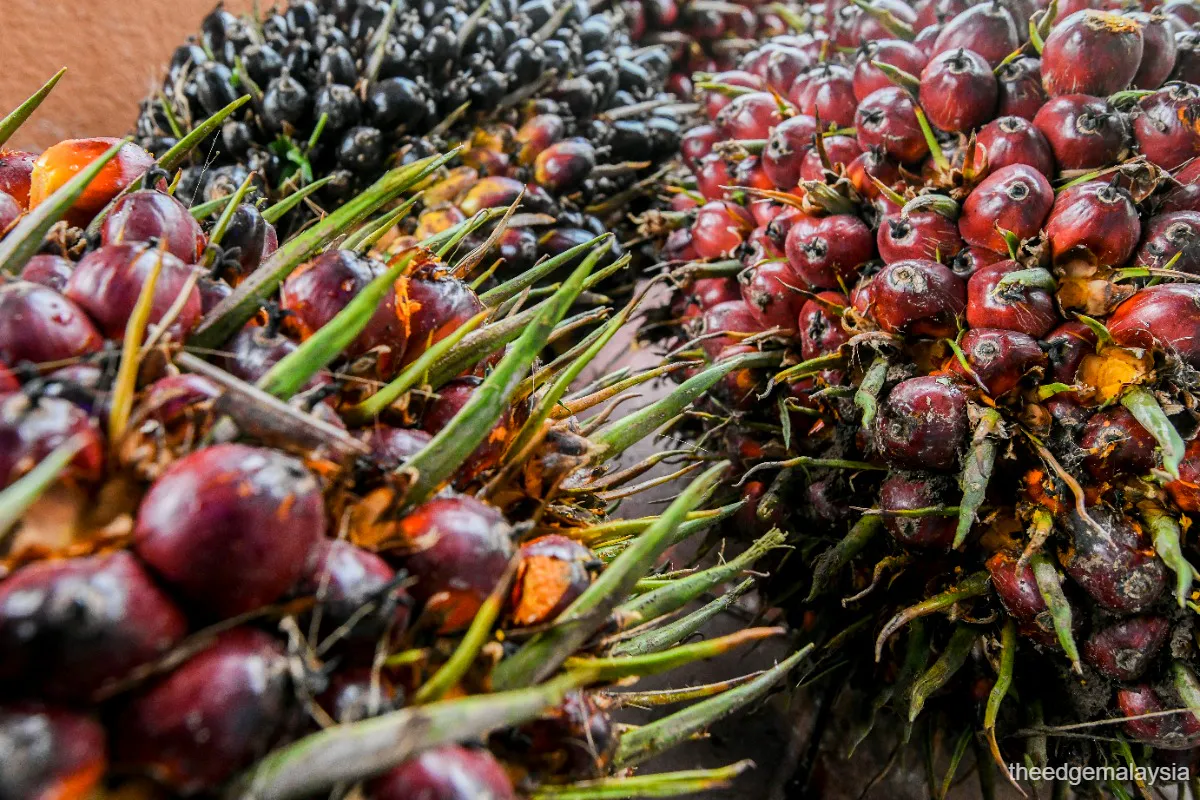
State sales tax and the cost of moving palm fruit are the main reasons buyers pay different prices for fresh fruit bunches (FFB) in Sabah and the peninsula, Deputy Plantation and Commodities Minister Datuk Seri Huang Tiong Sii told the Dewan Rakyat.
Huang said Sabah's 7.5% levy applies to crude palm oil (CPO), whereas the peninsula does not impose such a tax. Longer journeys between plantations and factories also make logistics more expensive in Sabah and Sarawak, he said.
Measures to address pricing differences include a reference formula administered by the Malaysian Palm Oil Board (MPOB), requirements to display purchase prices daily and controls on weighing equipment, according to Huang.
MPOB publishes a daily benchmark through its mobile application and portal, using its official formula with a 1% oil extraction rate (OER) at the mill gate. Dealers and manufacturers must display their daily prices on a 1% OER basis. MPOB also works with the Ministry of Domestic Trade and Cost of Living (KPDN) to ensure weighing equipment is certified.
On replanting, Huang said smallholders face estimated costs of RM14,000 to RM16,000 per hectare, alongside income losses while trees are not productive. Financial constraints could prompt them to retain less productive trees and delay replanting, affecting longer-term industry productivity.
He said Budget 2027 provides RM100 million in hybrid financing intended to help about 4,500 smallholders. Separately, the government has introduced the RM200 million Oil Palm Replanting Financing Programme (PTSS) for replanting areas up to 40.46 hectares.
PTSS offers a four-year repayment deferral. Smallholders bear an interest rate of 4%, with the government covering the remaining interest, Huang said.