
Oil falls as supply outlook overshadows Middle East disruption risks
Brent was heading for a 6% weekly decline and December WTI for an 8% loss, putting both benchmarks on course for a third consecutive weekly fall.
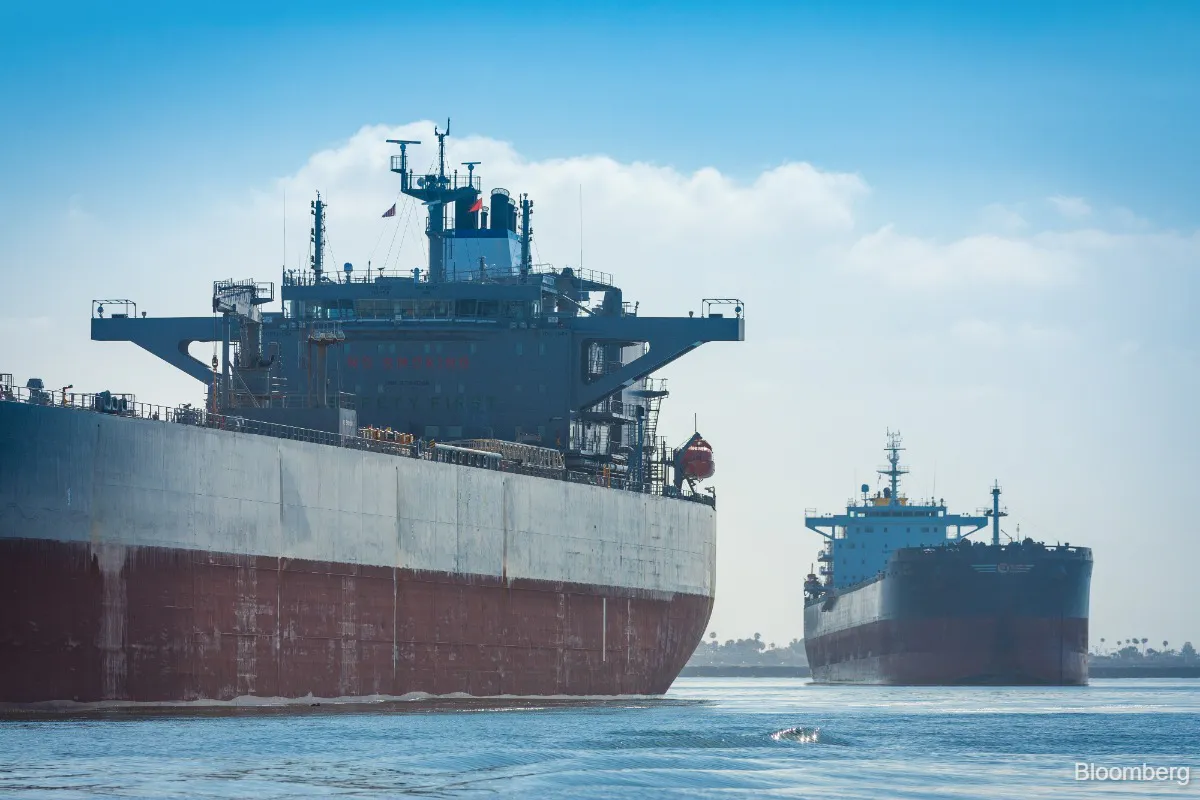
Oil prices moved lower on Nov 20 as robust exports from the Middle East reinforced expectations of excess supply, despite missile attacks on Riyadh and reported damage to tankers in the Strait of Hormuz.
At 1032 GMT, Brent crude futures stood at US$90.33 a barrel after losing US$1.65, or 1.79%. The December US West Texas Intermediate (WTI) contract traded at US$81.59 a barrel, a decline of US$1.62, or 1.95%. January WTI, the more active contract, slipped US$1.22, or 1.48%, to US$81.22.
Crude shipments passing through the Strait of Hormuz were back at approximately pre-war levels. Aldo Spanjer, commodity strategist at BNP Paribas, said Middle East export flows remained relatively strong, but he did not believe geopolitical risks had passed and saw potential for prices to rebound.
The Iran-aligned Houthi movement launched missiles at Riyadh. Iran's Revolutionary Guards Navy separately reported that naval mines had struck two oil tankers in the Strait of Hormuz, leaving them burning, according to a statement carried by state media.
UOB Group analysts said tanker attacks were still adding a meaningful geopolitical risk premium. Saxo analysts pointed instead to pressure from near-term demand concerns associated with the AI trade unwind and investors' reduced appetite for risk.
Opec+ ministers are due to discuss output policy for 2027 at meetings on Nov 29. The group includes the Organization of the Petroleum Exporting Countries and partners such as Russia.