Mosti earmarks Budget 2027 funding for semiconductors and startups
The ministry’s RM1.29 billion allocation includes RM41 million for a roadmap targeting 5,500 active startups and 5,000 skilled job opportunities.
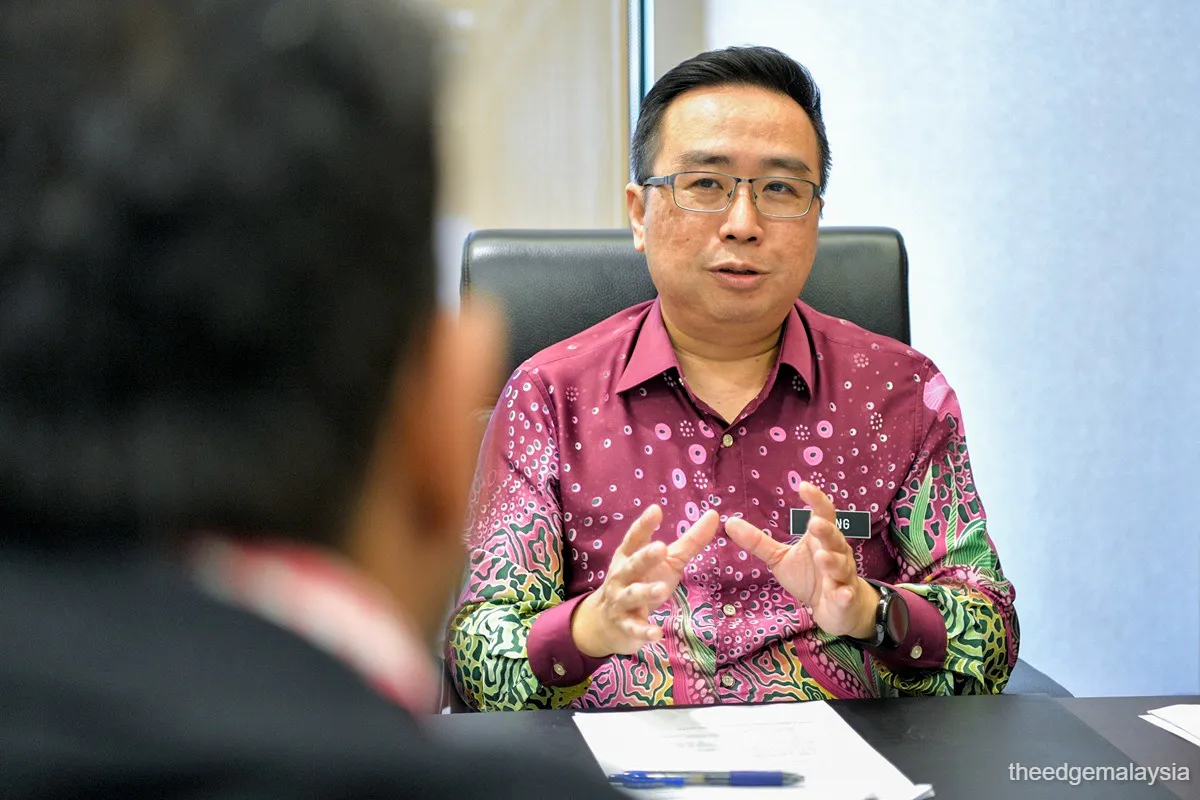
Semiconductors, AI, technology startups and efforts to commercialise local research will be priorities for the Ministry of Science, Technology and Innovation (Mosti) under its RM1.29 billion Budget 2027 allocation, according to Minister Datuk Chang Lih Kang.
Chang said in a statement that RM775.46 million would go towards operating expenditure, with RM516.93 million allocated for development. The ministry’s allocation rose by RM16.49 million, or 1.29%, from RM1.28 billion in 2026.
Mosti will undertake 61 projects within the Second Rolling Plan of the 13th Malaysia Plan. Their scope includes research and development, innovation, commercialisation, strategic technology and support for the industrial ecosystem, he said.
For semiconductor and startup support, Chang detailed two RM10 million allocations. The Malaysian Technology Development Corporation (MTDC) received funding for follow-on equity financing under its SemiconStart Programme. Kumpulan Modal Perdana’s allocation supports a pilot for the Fund for Ownership, Resilience, Growth & Emerging Technologies (FORGE).
Cradle Fund Sdn Bhd was allocated RM41 million for implementation of the Malaysian Startup Ecosystem Roadmap 2026-2030 (SUPER 2.0). Its targets are 5,500 active startups alongside 5,000 skilled job opportunities, supported in part by financing under CIP Spark and CIP Sprint.
The GLC Innovation Workshop (BIG) Programme has RM2 million to link corporations, startups and small and medium enterprises working in oil palm plantations. Chang said the programme would use IoT, robotics and data analytics to improve productivity while reducing dependence on labour.
An allocation of RM7.5 million went to the Malaysian Space Agency (MYSA). It covers computing infrastructure, a laboratory for space AI and an Integrated GeoAI Analytics Platform, intended to support disaster management, food security and border control.
Chang also outlined RM4 million for NanoMalaysia Bhd’s Cerah Madani initiative, aimed at lowering community energy costs. Bioeconomy Corporation received RM2.5 million for used-fishing-net recycling involving four regional hubs and 30 community collection centres, intended to provide additional income for more than 2,000 fishermen.