Hydrogen could offer diesel alternative for heavy transport
NanoMalaysia is exploring hydrogen integration in vehicle electrification, with development work covering three electric buses and two buses using hydrogen fuel cells.
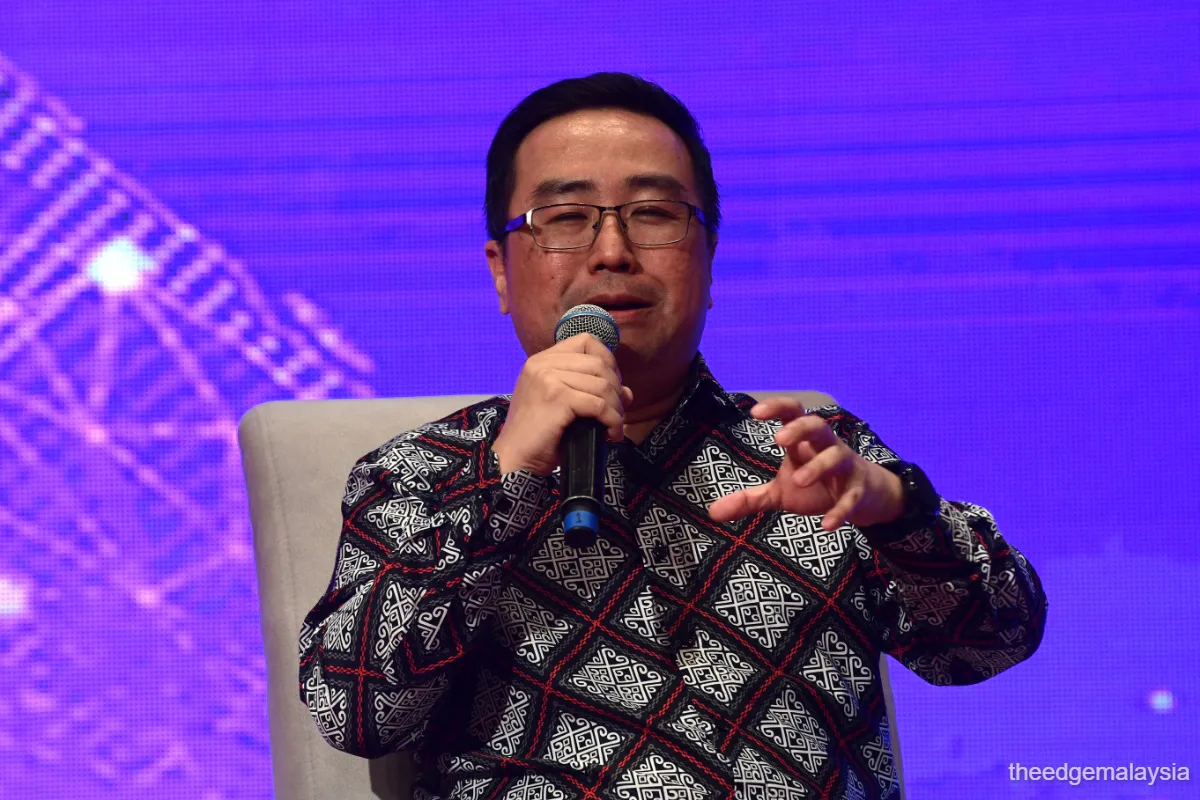
Hydrogen could help cut transport emissions by offering a diesel alternative for heavy commercial vehicles, including express buses and long-haul freight vehicles, Science, Technology and Innovation Minister Datuk Chang Lih Kang told the Dewan Rakyat on Nov 19.
Chang said operating costs could be competitive against diesel, especially at unsubsidised prices. Hydrogen can hold substantial energy relative to its weight, he said, making it suitable for vehicles needing long ranges while preserving load capacity.
However, he said feasibility assessments must examine the availability of domestically supplied grey hydrogen, its carbon intensity and environmental effects. With green hydrogen remaining costly, high-purity grey hydrogen could serve as an interim option, particularly in proton exchange membrane fuel cells.
Chang said NanoMalaysia Bhd is investigating how hydrogen systems can be incorporated into vehicle electrification platforms through its Enabling Mobility Electrification for Green Economy programme, financed by the Strategic Research Fund. Work includes developing three electric buses, alongside two buses using hydrogen fuel cells.
He described hydrogen and battery electric technology as complementary rather than competing replacements. Battery-powered vehicles are better suited to passenger cars and shorter journeys, while hydrogen fuel cells are more appropriate for heavy transport travelling longer distances, he said.
On the passenger-car pilot, Chang said a Toyota Mirai and mobile hydrogen refuelling station in Putrajaya are being used to demonstrate technical feasibility under the Hydrogen Economy and Technology Roadmap through 2030. Lower operating costs remain essential to making the technology more viable, he added.