FMM proposes RM1.5 billion package to help manufacturers adopt technology
The federation also wants wider SME tax eligibility and dedicated funds for manufacturing research and supply chain resilience.
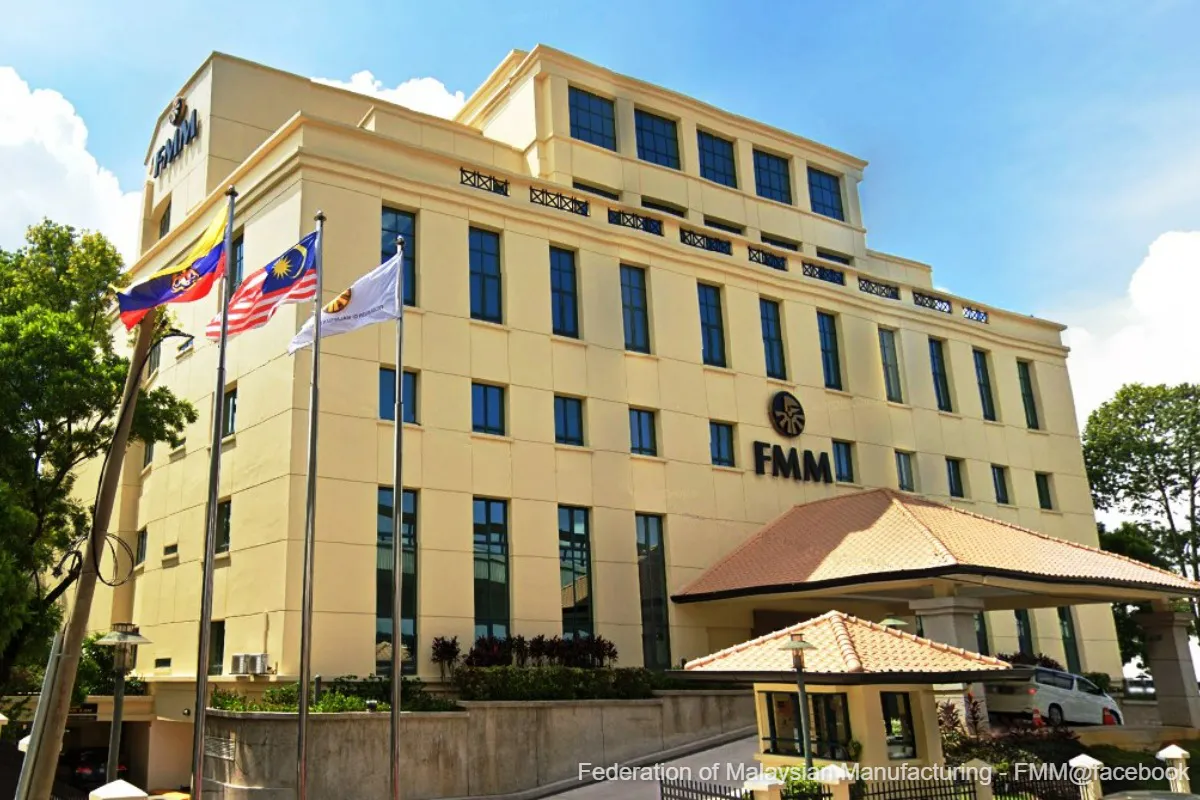
A RM1.5 billion technology support package covering 2027–2030 is among measures the Federation of Malaysian Manufacturing (FMM) has proposed to help smaller businesses grow. In a statement on Oct 25, it urged the government to strengthen tax incentives and improve access to financing for small and medium enterprises (SMEs).
Under its proposed Smart Manufacturing Support Package, digitalisation would receive RM750 million, automation RM500 million and artificial intelligence (AI) RM250 million. FMM wants the funding accompanied by technical assistance and training for workers.
On taxation, the federation sought lower corporate rates for SMEs and broader access to preferential rates. It also wants the RM2.5 million paid-up capital requirement removed from SME tax eligibility. While welcoming the one-percentage-point reduction in tax rates, FMM said further savings would allow businesses to reinvest.
FMM welcomed combined financing of RM2.1 billion through Khazanah’s MTC Fund, the NIMP Fund and KWAP’s Dana Pemacu, alongside expanded financing guarantees. It said funds should be affordable, easy to access and paid out promptly.
For manufacturing SME status, FMM proposed a turnover ceiling of RM100 million annually or a workforce ceiling of 300 employees. It said retaining assistance for longer would support businesses moving into the mid-tier category.
Other proposals include a RM1 billion National Manufacturing Research and Innovation Endowment Fund for product development, research commercialisation and collaboration with universities and research institutions. A separate RM100 million National Supply Chain Resilience Fund would help domestic suppliers, foster partnerships with larger businesses and multinational corporations, and reduce disruptions, FMM said.