BNM signals flexibility on rates as energy costs threaten inflation
The benchmark remains at 2.75%, with governor Datuk Seri Abdul Rasheed Ghaffour saying future decisions will be guided by incoming data.
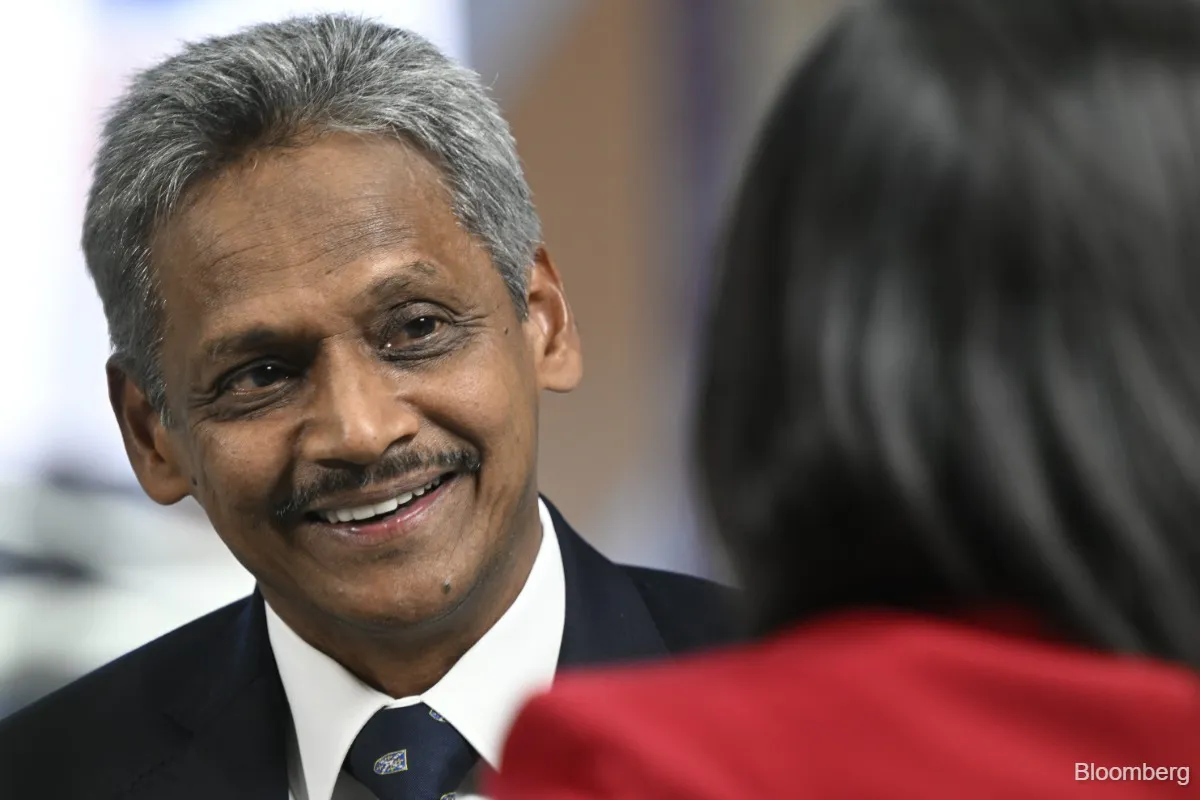
Bank Negara Malaysia (BNM) is prepared to respond to stronger inflation pressures, governor Datuk Seri Abdul Rasheed Ghaffour said on Oct 15, citing greater flexibility following September’s revision to its interest-rate guidance.
In a Bloomberg TV interview in Bangkok during the International Monetary Fund and World Bank meetings, Abdul Rasheed said the monetary policy committee would review fresh data at every meeting. He maintained that the existing rate suited the inflation outlook and supported sustainable growth.
The central bank held its benchmark at 2.75% in September but removed wording that had characterised its stance as appropriate. Investors took the omission as a signal that rates could rise. Swaps pricing indicated about a 76% chance of an increase within six months, Bloomberg data showed.
Abdul Rasheed expects inflation to remain within the government’s 1.5%-2.5% range, while warning that a lengthy Middle East conflict and persistently high energy costs pose risks. August consumer prices were 1.9% higher than a year earlier.
The government forecasts inflation at 1.8%-2.8% in 2027. It anticipates stronger price pressures early that year as energy, food and other input costs filter through, followed by moderation later.
On economic activity, the governor projected growth of around 5%, pointing to Malaysia’s diverse growth drivers. The government has lifted its 2026 expansion forecast from 4%-5% to 4.8%-5.3%. Abdul Rasheed acknowledged a possible slowdown in the artificial intelligence boom, but said demand for Malaysian electrical and electronics products would remain strong.