MCMC explores layered age checks for social media accounts
Accounts suspected of belonging to users under 16 could face further checks against government identification records, Deputy Communications Minister Teo Nie Ching said.
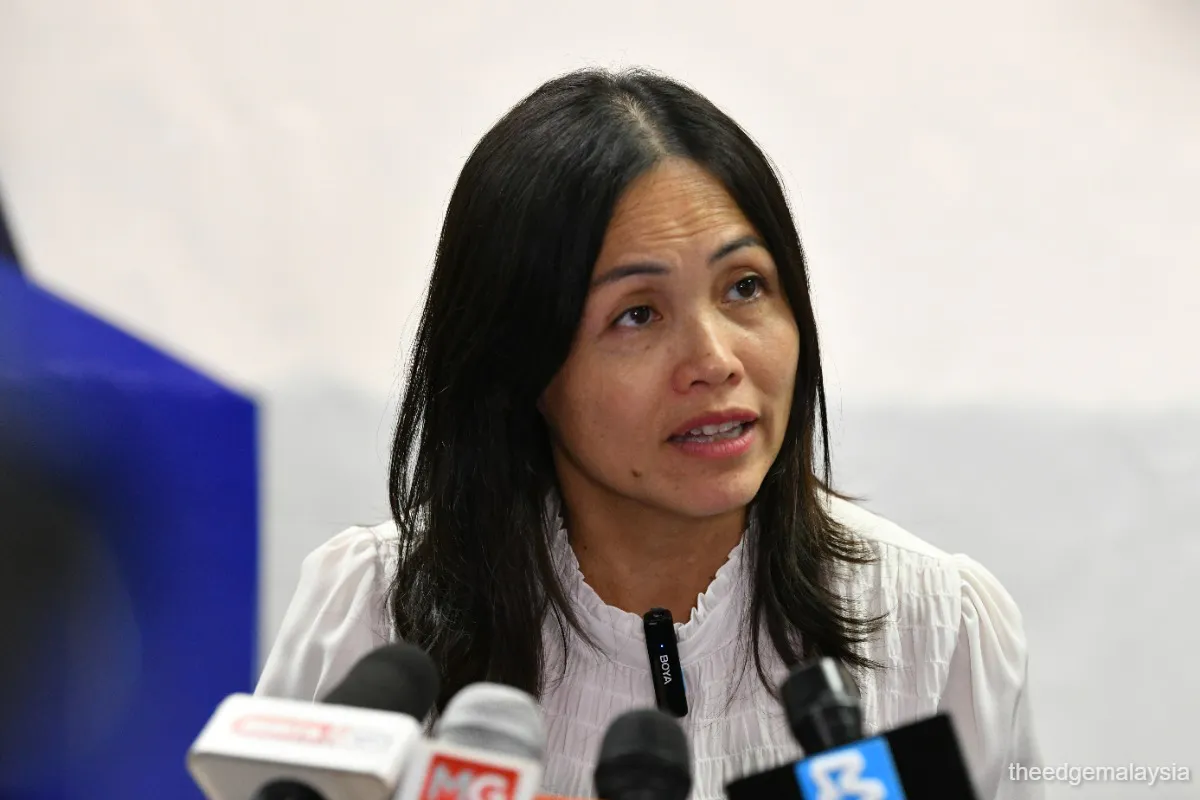
Malaysia’s communications regulator is considering age checks using multiple layers of verification to identify social media accounts potentially operated by children under 16, Deputy Communications Minister Teo Nie Ching told the Dewan Rakyat on Nov 26.
Teo said the Malaysian Communications and Multimedia Commission (MCMC) was examining ways to detect inconsistent age details, including cases involving false information or another person’s identity. Flagged accounts would face additional checks using government records, including MyKad, passports or other accepted identification documents.
The proposed approach would also cover existing accounts where information cast doubt on the holder’s stated age. Teo said providers must limit data collection and processing to what is needed for verification and protect personal information under applicable laws.
The Child Protection Code, effective from June 1, requires licensed social media providers to operate age checks so that account registration is restricted to those aged 16 and above, with access to features appropriate for their age.
Teo said MCMC had directed Meta, TikTok and Google to comply under Section 30 of the Online Safety Act 2025 (Act 866). It had separately sought details of their verification arrangements through notices issued under Section 32. Implementation remained in transition, with monitoring and discussions under way to assess providers’ readiness and compliance.
She said age restrictions needed support from privacy defaults for adolescents, time-management tools and parental controls. Such safeguards could help reduce cyberbullying, sexual exploitation, harassment and excessive use.
Teo also cited RM58.7 million allocated for MCMC’s Safe Internet campaign. As of Nov 15, its activities had reached nearly 2.7 million participants, covering 10,974 schools, 141 higher institutions of learning and 6,252 public programmes.