Johor backs proposed local hiring conditions for JS-SEZ incentives
Mandatory hiring quotas remain subject to federal policies and legislation, while incentive assessments consider benefits for local workers and suppliers.

Johor has welcomed a proposal for companies receiving Johor-Singapore Special Economic Zone (JS-SEZ) incentives to have local workers account for at least 70 per cent of their workforce and offer vendor opportunities to the state's B40 and M40 income groups.
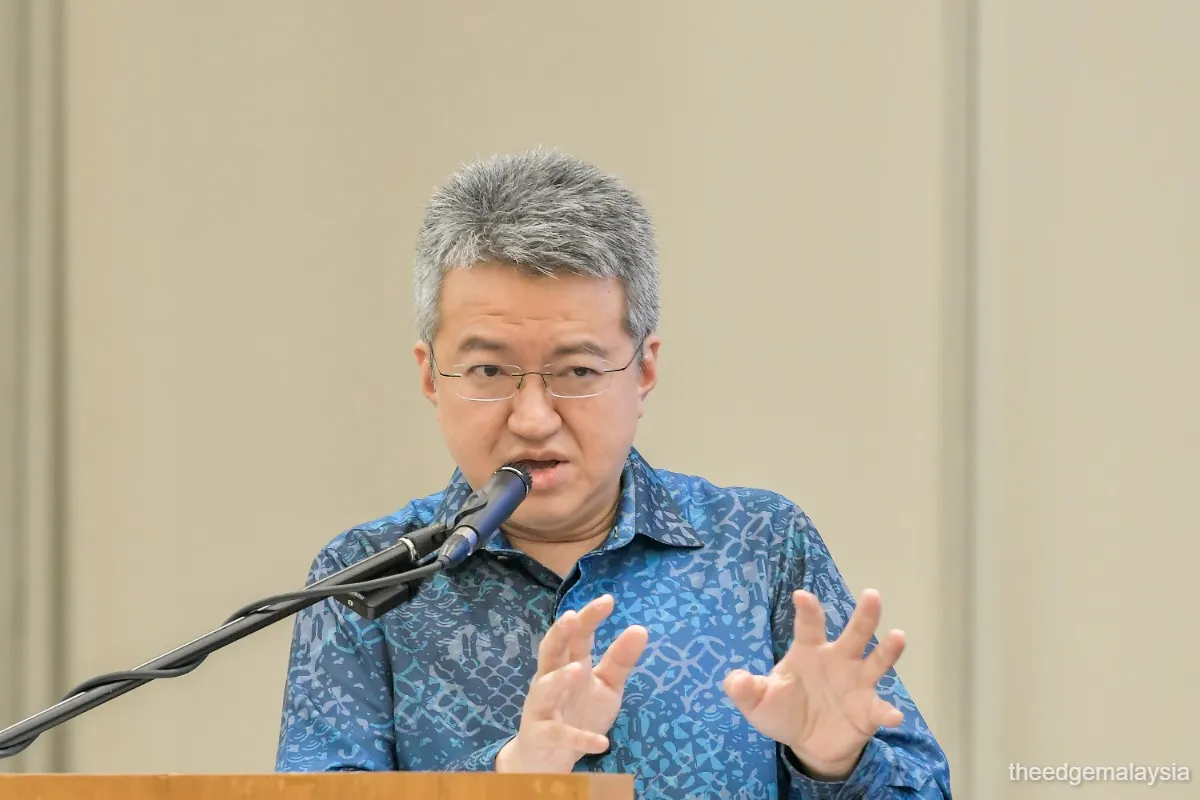
State Investment, Trade, Consumer Affairs and Human Resources Committee chairman Lee Ting Han said mandatory quotas would depend on federal labour policies and legislation. Speaking at the Johor State Assembly, he said the state wanted investments to deliver direct benefits through quality employment and supply-chain opportunities for local enterprises.
Lee said the federal New Investment Incentive Framework (NIF), effective from March 1 and supervised by the Malaysian Investment Development Authority, linked incentives to outcomes rather than capital value alone. Applicants receiving incentive packages must satisfy performance requirements assessed through a scorecard.
These include high-value employment for locals, premium pay and less dependence on low-skilled foreign labour. Assessments also cover local sourcing, vendor development, research and development, technology transfer and talent development. Lee said investors delivering greater benefits to local employees and vendors would qualify for higher incentives.
Johor recorded approved investments worth RM99.71 billion during January to September 2026, Lee said, up 9.3 per cent from RM91.19 billion a year earlier. The 674 projects are expected to generate 22,349 jobs. Services accounted for RM68.26 billion, while manufacturing contributed RM31.22 billion.
To support local business participation, Lee said Johor Budget 2027 provides a further RM100 million for interest-free financing under the Johor Entrepreneur Micro Financing Scheme, working with financial institutions. An interim study by the Johor State Economic Planning Division (BPEN) and Universiti Malaya identified buyer access, business capabilities and standards-compliance costs as challenges facing SMEs.