
Fahmi warns AI computing gap could deepen global inequality
Malaysia is seeking re-election to the ITU Council to contribute Southeast Asian and Global South perspectives on telecommunications issues.
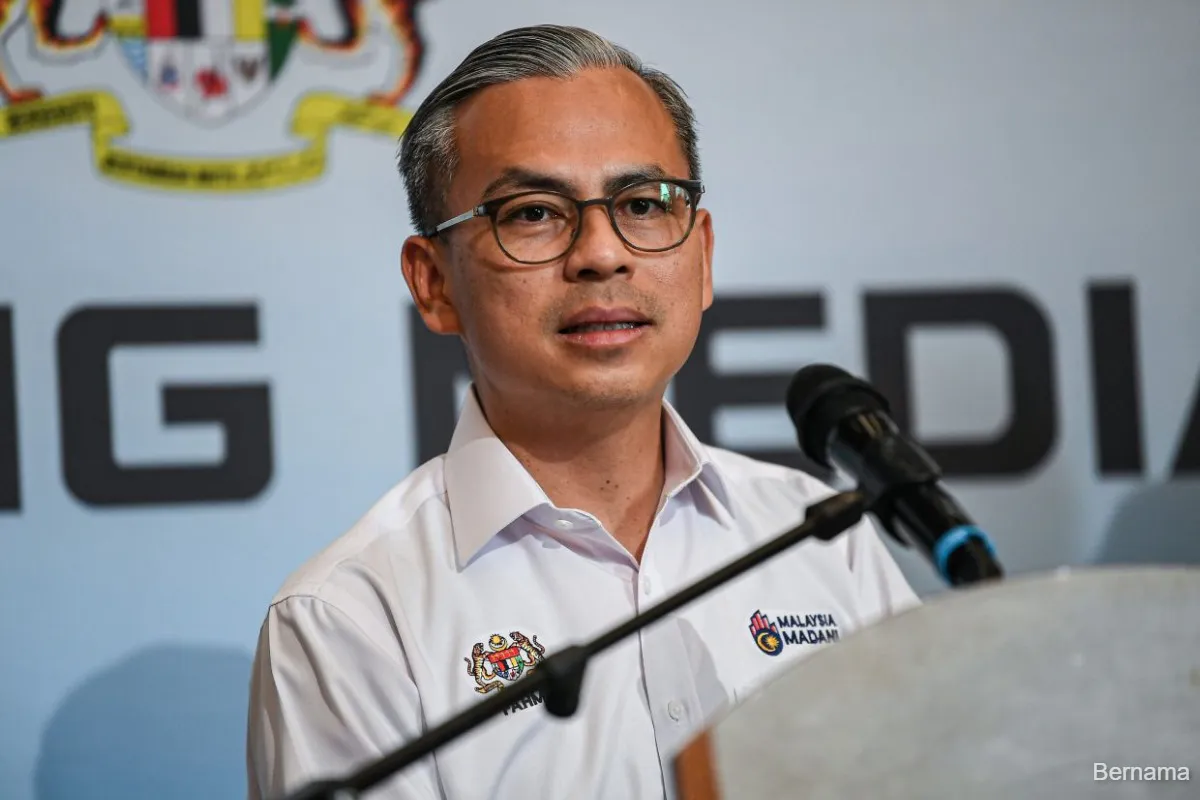
Unequal access to computing resources for artificial intelligence (AI) could deepen disparities between developed and developing countries, Communications Minister Datuk Seri Fahmi Fadzil said in Doha on Nov 10.
Speaking during an interview at the International Telecommunication Union (ITU) Plenipotentiary Conference 2026 (PP-26), Fahmi said the challenge extended beyond internet connectivity and digital services. Countries, particularly in the Global South, risked falling further behind without mechanisms to address the emerging gap in computing capacity.
Fahmi also said governments faced difficulties keeping regulation aligned with rapid technological change. He cited ITU secretary-general Doreen Bogdan-Martin's observation that AI could change substantially within a year, saying governments needed to prepare for emerging risks while allowing innovation and protecting businesses, markets and the public.
Agentic AI, which allows systems to carry out tasks and take decisions more autonomously, offered opportunities but also posed risks, he said. Governments needed to engage industry on safeguards and consider the limits that should apply to such systems.
On Malaysia's bid for re-election to the ITU Council, Fahmi said the country wanted to continue sharing its experience and regional perspectives. Malaysia has belonged to the ITU since 1958, and he said it could contribute expertise on technical standards, digital trust and interoperability.